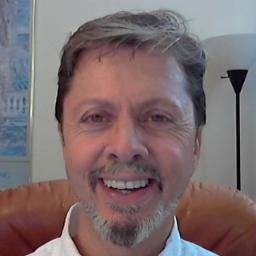
About Mark
Mark Smalley is a licensed clinical social worker with nearly three decades of experience. He focuses on helping people manage stress, anxiety, addiction, depression, trauma, and relationship and intimacy concerns. He works with people on everyday struggles like sleep, eating, parenting, and career stress.
Sessions aim to be down-to-earth and practical for worried parents and busy adults. He uses a mix of talking and active techniques to help people make changes.
Background and approach
That can include mindfulness practices to calm the body and mind, cognitive-behavioral tools to spot unhelpful thought patterns, and EMDR for those coping with traumatic memories. He also draws on hypnotherapy to support habit change and motivation. Mark blends physical and emotional perspectives.
He pays attention to routines like diet, movement, and sleep alongside feelings and thoughts. This helps people find practical steps that fit their life rather than abstract rules. Clients can expect collaborative goal-setting and straightforward language.
He aims to turn hard problems into manageable steps. With 29 years of work in Oklahoma and beyond, he brings a wide range of experience without jargon. People will find a focus on coping skills and longer-term patterns.
He helps with grief, anger, self-esteem, ADHD, and challenges related to identity and sexuality. The approach centers on what the person wants to change and how to get there in everyday life.
Approaches that translate to online care
Client-centered therapy focuses on the person and their goals. The therapist listens, reflects, and helps clients set practical steps to change. It is useful for relationship stress, self-esteem, and coping with day-to-day problems.Cognitive Behavioral Therapy, or CBT, looks at thoughts and behaviors that keep problems going. Sessions teach simple skills to reframe negative thinking and build healthier habits, which helps with anxiety, depression, and sleep or eating concerns.
Eye Movement Desensitization and Reprocessing, EMDR, is used to process distressing memories and reduce their emotional impact. It can be helpful for people coping with past trauma and post-traumatic stress.
Finding the right approach is part of the work. The therapist will talk with each person about goals, preferences, and what feels most helpful. Together they decide whether to use talk therapy, CBT tools, EMDR, or brief hypnotherapy techniques to address the issue at hand.
Online formats include video calls, phone sessions, live chat, and text-based messaging. Video allows face-to-face conversation and guided exercises. Phone sessions use less bandwidth and can be easier during a busy day. Live chat or messaging can be used for quick check-ins, ongoing coaching, or shorter reflections between sessions. These options make it easier to fit therapy into a full schedule and keep progress moving forward.
Frequently asked questions
What kinds of problems does he help with?
What is his general therapy style?
How much experience does he have?
What are his credentials and where is he located?
Are sessions available in other languages or countries?
What session formats are offered?
How does payment and cost work?
How do I begin if I want to work with him?
Specialties and expertise
Top specialties
Also works with
- ADHD
- Aging and geriatric issues
- Anger management
- Bipolar disorder
- Body image
- Career difficulties
- Coaching
- Communication problems
- Compassion fatigue
- Coping with life changes
- Depression
- Eating disorders
- Family conflicts
- Forgiveness
- Gender dysphoria
- Grief
- HIV / AIDS
- Intimacy-related issues
- Isolation / loneliness
- Men's issues
- Mood disorders
- Parenting issues
- Polyamory / non-monogamous relationships
- Post-traumatic stress
- Relationship issues
- Seasonal Affective Disorder (SAD)
- Self esteem
- Self-love
- Sleeping disorders
- Smoking / vaping cessation
- Social anxiety and phobia
- Trauma and abuse
Therapeutic approaches
- Experience
- 29 years
- Licensed
- Oklahoma
- Languages
- English