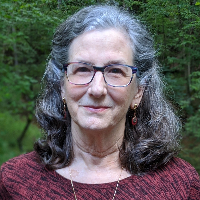
About Margaret
Dr. Margaret "Betsy" Vonk uses a client-centered approach to help people manage stress, anxiety, depression, grief, and life changes. She is a Licensed Clinical Social Worker - LCSW with two decades of clinical and teaching experience in social work.
Her manner is warm and collaborative, and she focuses on practical steps people can use between sessions. She draws on cognitive behavioral techniques to help people notice unhelpful thoughts and try different responses.
Background and approach
Existential ideas come into play when people are wrestling with life meaning, transitions, or identity shifts. Sessions are tailored to each person’s situation and goals rather than following a rigid plan. Betsy has worked across concerns such as parenting strain, intimacy-related issues, compassion fatigue, adoption and foster care, aging and caregiver stress, and family of origin problems.
She also supports people facing isolation, social anxiety, phobias, and women’s issues. Her background includes teaching clinical social work to master's students for many years. In a session she looks for strengths and concrete skills clients can practice.
Conversations tend to stay grounded and focused on what can change now. She helps people build coping strategies that fit their daily life and responsibilities. People who choose her often want a steady, thoughtful guide through hard transitions.
She welcomes questions and works at a pace that feels manageable. Her practice is located in Georgia and she communicates in English.
Approaches that guide online sessions
Client-Centered Therapy focuses on listening and understanding each person’s experience. The therapist offers empathic support and helps clients identify their own strengths and options, which can help with relationship stress, low self-esteem, and parenting strain.Cognitive Behavioral Therapy, or CBT, teaches people to spot unhelpful thoughts and try different behaviors. It is practical and skill-based, and it often helps with anxiety, depression, phobias, and social anxiety by giving tools to use between sessions.
Existential Therapy looks at questions of meaning, purpose, and major life transitions. It can be useful when people face retirement, aging, loss, or big identity shifts and want to sort through what matters most to them.
Choosing the right approach is part of the work. The therapist will collaborate with each person to decide which methods fit their needs, goals, and preferences. That decision can change over time as goals and circumstances evolve.
Online therapy offers practical flexibility. Video calls provide face-to-face conversation when bandwidth and a quiet spot are available. Phone sessions can be easier when camera use is difficult, or for shorter check-ins. Live chat and text messaging let people send thoughts between sessions and fit support into busy days. These options make it simpler to keep therapy consistent when schedules or mobility are limited.
Frequently asked questions
What concerns does she commonly address?
How would you describe her therapy style?
What is her professional background?
Where is she licensed and based?
Which languages are supported for sessions?
What session formats are available?
How are sessions paid for?
How do I begin working with her?
Specialties and expertise
Top specialties
- Stress, Anxiety
- Relationship issues
- Grief
Also works with
Therapeutic approaches
- Experience
- 20 years
- Licensed
- Georgia
- Languages
- English