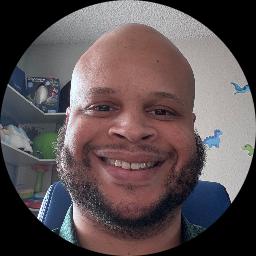
About Marcus
Marcus Freeman is a Licensed Clinical Social Worker with 11 years of experience helping people navigate stress, anxiety, and depression. He practices in California and focuses on clear, practical talk that helps clients change how they cope. Marcus aims to make the first steps easier for someone who is unsure about therapy.
He works with people who are dealing with family conflict, trauma and abuse, and struggles with self-esteem and motivation.
Background and approach
Marcus also supports those facing panic attacks, obsessive thoughts, and mood challenges. He pays attention to issues like abandonment, attachment, and feelings of isolation. In sessions Marcus keeps language simple and goals concrete.
He listens for patterns that get in the way of daily life and helps clients try different ways of responding. Conversations lead to small, doable changes rather than long lectures. Marcus adjusts the pace and focus to each person.
Some people want short-term problem solving. Others prefer deeper work on trust, forgiveness, or communication skills. He explains options and lets clients choose what feels right.
He treats people with respect, sensitivity, and compassion. Marcus encourages honest feedback so the plan stays relevant. If you are worried about starting therapy, he acknowledges that first step and helps make the process manageable.
How therapeutic approaches translate to online care
Marcus draws from evidence-based therapeutic techniques that focus on symptom relief and clearer daily functioning. One common approach helps people spot unhelpful thoughts and try different ways of thinking and behaving; it is useful for anxiety, panic, and mood problems. Another approach focuses on patterns in relationships and attachment, helping people understand why they react strongly in close relationships and practice new ways of connecting.Choosing the right approach is a collaborative process. Marcus will discuss options, listen to your goals, and adapt methods to what works best for you. Together you decide whether to prioritize short-term coping skills or deeper work on attachment and forgiveness.
Online sessions give practical flexibility. Video calls allow face-to-face conversation when a fuller exchange is helpful. Phone sessions can be easier when bandwidth is limited or when someone prefers not to be on camera. Live chat and text-based messaging make it simple to check in between sessions or fit brief support into a busy day. These formats make it possible to keep therapy consistent around work, caregiving, and other commitments.
Frequently asked questions
What concerns does Marcus usually address?
What is his therapeutic style like?
How much experience does he have?
What are his professional credentials and location?
Which languages are available for sessions?
What session formats are offered?
How does cost and billing work?
How do I begin working together?
Specialties and expertise
Top specialties
- Stress, Anxiety
- Family conflicts
- Trauma and abuse
Also works with
- Abandonment
- Attachment issues
- Caregiver issues and stress
- Communication problems
- Control issues
- Depression
- Forgiveness
- Guilt and shame
- Impulsivity
- Isolation / loneliness
- Life purpose
- Men's issues
- Mood disorders
- Narcissism
- Obsessions, compulsions, and OCD
- Panic disorder and panic attacks
- Post-traumatic stress
- Self esteem
- Self-love
- Social anxiety and phobia
- Workplace issues
- Young adult issues
- Experience
- 11 years
- Licensed
- California
- Languages
- English