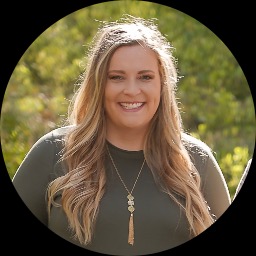
About Mallory
Mallory Langkrahr is a Licensed Clinical Social Worker who aims to help people feeling overwhelmed by stress, anxiety, grief, substance use, or major life changes. She offers straightforward, respectful support and works alongside clients to clarify goals and make gradual changes. Her approach is practical and down-to-earth, so sessions focus on what the person needs right now.
Mallory draws on methods that help people notice patterns, try small experiments, and build on their strengths.
Background and approach
She uses Client-Centered Therapy to listen and reflect what matters most to each person. Cognitive Behavioral Therapy helps break unhelpful thoughts and actions into manageable steps. Motivational Interviewing supports people who are unsure about change and helps them find personal reasons to move forward.
Her background includes work with people facing co-occurring mental health and substance use challenges, hospice and home health settings, and residential care for veterans. That variety gave her experience with brief interventions, case management, and supporting people through difficult transitions. Mallory’s practical experience informs clear, doable strategies during sessions.
Sessions tend to be collaborative and paced to the client’s comfort level. She encourages small goals and regular check-ins so progress feels real. People who want a plainspoken, goal-focused style often find her approach helpful.
Mallory practices in Missouri and brings three years of clinical experience to her work. She holds a Missouri Licensed Clinical Social Worker credential, listed as LCSW, and offers sessions in English.
How Mallory’s Approaches Work Online
Client-Centered Therapy begins with listening and reflecting so the therapist understands what matters most to the client; it helps people clarify values and priorities. Cognitive Behavioral Therapy, or CBT, looks at thoughts and behaviors to find small, practical changes that reduce distress or unhelpful patterns. Motivational Interviewing focuses on the reasons someone might or might not want change and helps them find their own motivation to try new steps.Finding the right approach is part of the work. Mallory will talk with the client about goals and preferences, then collaborate to try approaches that fit. If something isn’t helpful, she adjusts the plan and tries a different way of working together so progress feels achievable.
Online therapy lets people access those approaches through video calls, phone sessions, live chat, or text-based messaging. Video calls allow face-to-face conversation for deeper discussion, phone sessions can be easier when bandwidth or camera use is a concern, live chat offers a shorter real-time check-in, and text messaging supports ongoing, flexible contact between sessions. These options help therapy fit into busy schedules and different daily routines.
Frequently asked questions
What concerns does Mallory help with?
What is her general therapy style?
What professional background does she have?
Where is Mallory licensed and based?
Which languages are supported for sessions?
What session formats are available?
How are costs and billing handled?
How do I begin working with Mallory?
Specialties and expertise
Top specialties
Also works with
- ADHD
- Aging and geriatric issues
- Anger management
- Attachment issues
- Bipolar disorder
- Body image
- Cancer
- Caregiver issues and stress
- Co-morbidity
- Compassion fatigue
- Coping with life changes
- Depression
- Domestic violence
- Drug and alcohol addiction
- Emptiness
- Family conflicts
- Family problems
- Forgiveness
- HIV / AIDS
- Hoarding
- Hospice and end-of-life counseling
- Intellectual disability
- Intimacy-related issues
- Jealousy
- LGBT
- Life purpose
- Money and financial issues
- Obsessions, compulsions, and OCD
- Paranoia
- Post-traumatic stress
- Process addiction (porn, exercise, gambling)
- Relationship issues
- Seasonal Affective Disorder (SAD)
- Self esteem
- Self-harm
- Self-love
- Sexual assault and abuse
- Sexuality
- Smoking / vaping cessation
- Trauma and abuse
- Traumatic brain injury
- Veteran and Armed Forces Issues
- Women's issues
- Workplace issues
- Young adult issues
Therapeutic approaches
- Experience
- 3 years
- Licensed
- Missouri
- Languages
- English