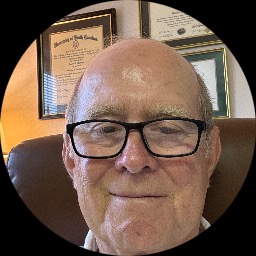
About Louis
Louis Murden is a licensed clinical social worker with 27 years of professional experience. He is credentialed as LCSW (Florida) and LISW-CP (South Carolina) and practices from South Carolina. He focuses on helping people manage stress, anxiety, addictions, sleep problems, low self-esteem, and depression.
Murden keeps sessions direct and respectful. He adapts conversation and plans to each person’s situation. He aims to help people find practical steps to feel steadier day to day.
Background and approach
He emphasizes warmth, sensitivity, and straightforward support. In sessions he listens for patterns that keep problems repeating. He helps people break those patterns through small, doable changes.
He addresses issues like panic attacks, mood problems, and post-traumatic stress with clear, goal-focused work. He also helps people facing relationship wounds such as abandonment or attachment struggles. Caregiver strain, chronic illness, and isolation are other common topics he addresses.
He works with life transitions too, including divorce, midlife shifts, and questions about purpose. Murden uses evidence-based therapeutic techniques and shapes them to match each person. He works collaboratively to set goals and track progress over time.
The tone is practical and supportive, aimed at helping people build skills that carry into daily life.
Evidence-based approaches and online care
Louis Murden uses evidence-based therapeutic techniques to guide sessions in clear, practical ways. One approach focuses on identifying unhelpful thinking and shifting it toward more balanced thoughts to reduce anxiety and low mood. Another approach emphasizes skills training for handling strong emotions and breaking cycles that lead to addictions or sleep disruption. Each technique is explained in simple steps and practiced in session so people can use them between meetings.Choosing the right approach is a collaborative process. The therapist will listen to your goals, try different methods when needed, and check in about what helps most. Together you will shape a plan that fits your needs and preferences rather than following a one-size-fits-all method.
Online therapy is offered through video calls, phone sessions, live chat, or text-based messaging to make care more flexible. Video lets you see facial cues and use visual tools, while phone calls work well when bandwidth is low or you prefer not to be on camera. Live chat and messaging are useful for short check-ins, quick coping tools, or times when writing feels easier than talking. These options help people fit therapy into work, caregiver schedules, or busy days while maintaining a steady therapeutic relationship.
Frequently asked questions
What concerns does this therapist commonly address?
How would you describe his therapeutic style?
What experience does he bring to therapy?
What credentials and location are listed for the therapist?
Which languages are sessions offered in?
What session formats are available?
How does cost and payment work?
How do I begin working with this therapist?
Specialties and expertise
Top specialties
- Stress, Anxiety
- Addictions
- Sleeping disorders
Also works with
- Abandonment
- Attachment issues
- Caregiver issues and stress
- Chronic pain, illness, and disability
- Communication problems
- Depression
- Divorce and separation
- Forgiveness
- Guilt and shame
- Isolation / loneliness
- Life purpose
- Men's issues
- Midlife crisis
- Mood disorders
- Panic disorder and panic attacks
- Post-traumatic stress
- Self esteem
- Self-love
- Social anxiety and phobia
- Workplace issues
- Experience
- 27 years
- Licensed
- South Carolina, Florida
- Languages
- English