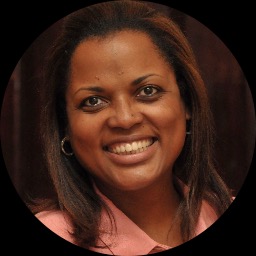
About Lolita
Dr. Lolita Allen helps people cope with relationship struggles, trauma and abuse, grief, anxiety, depression, and life changes. She addresses intimacy issues, low self-esteem, compassion fatigue, and stress.
Many clients also seek help for family conflict, communication problems, and challenges tied to divorce, infidelity, or military and first responder experiences. Allen is a Licensed Clinical Social Worker, LCSW, with a long clinical history. She holds a Master of Social Work from Howard University and a Doctorate in Social Work from the University of Southern California.
Background and approach
She has practiced in Virginia and Georgia and brings 28 years of experience to her work. Her approach is practical and goal-focused. She uses Cognitive Behavioral Therapy to help people change unhelpful thinking and behavior patterns.
She also uses Solution-Focused Therapy to identify small, achievable steps that lead to real change. Sessions are focused on concrete tools and skills. Clients can expect guidance on coping strategies, emotional regulation, and ways to improve communication.
The work often includes setting short-term goals and tracking small successes. Allen aims for a collaborative relationship. She helps people clarify what matters most, choose manageable steps, and build routines that support healthier interactions and greater self-care.
Her style is direct but supportive, with an emphasis on practical progress.
Practical approaches delivered online
Dr. Allen commonly uses Cognitive Behavioral Therapy and Solution-Focused Therapy in remote work. Cognitive Behavioral Therapy helps people identify thoughts and behaviors that keep problems going and replace them with more helpful ones; it can be useful for anxiety, depression, and stress. Solution-Focused Therapy centers on small, practical changes and quick steps toward specific goals, which can help with communication problems, life transitions, and improving daily routines.Choosing the right approach is a collaborative effort. The therapist will talk with the client about goals, past attempts, and what feels most workable. Together they decide which methods to try first and adjust the plan as progress is made.
Online sessions can be scheduled as video calls, phone sessions, live chat, or text-based messaging to fit different lifestyles. Video calls let people talk face-to-face from wherever they are, phone sessions work well when bandwidth is limited, chat can be a shorter check-in, and messaging supports ongoing reflection between meetings. These options make it easier to fit therapy into a busy week and keep momentum between appointments.
Frequently asked questions
What concerns does she address?
What is her therapeutic style?
How much clinical experience does she have?
What credentials and location are listed?
Which languages are supported and can she work internationally?
In what formats are sessions available?
How are fees handled?
How do I begin working with her?
Specialties and expertise
Top specialties
- Relationship issues
- Trauma and abuse
- Intimacy-related issues
Also works with
- Communication problems
- Compassion fatigue
- Coping with life changes
- Depression
- Divorce and separation
- Domestic violence
- Family conflicts
- Family of origin issues
- Family problems
- First responder issues
- Grief
- Infidelity
- Isolation / loneliness
- Life purpose
- Self esteem
- Self-love
- Stress, Anxiety
- Veteran and Armed Forces Issues
Therapeutic approaches
- Experience
- 28 years
- Licensed
- Virginia, Georgia
- Languages
- English