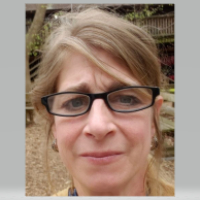
About Lisa
Lisa McCarton is a Licensed Clinical Social Worker with two decades of practice in Virginia. She speaks English and Spanish and helps people who are dealing with stress, anxiety, grief, depression, bipolar mood concerns, and major life changes. She also supports parents facing parenting strain and people coping with relationship and career challenges.
Her early clinical work began after earning a Master of Social Work from Virginia Commonwealth University in 2000.
Background and approach
She provided therapy and case management at a residential treatment facility for children who had experienced abuse. That hands-on start shaped a practical, problem-focused style. In sessions she focuses on real-world tools.
She uses client-centered conversations to understand what matters most to the person. She also applies cognitive-behavioral techniques to help spot unhelpful thinking and change behaviors that cause distress. She uses attachment-based ideas to look at how early relationships affect current patterns, and motivational interviewing to help people find reasons to try new ways of coping.
Her approach is straightforward and goal oriented, emphasizing steps people can practice between meetings. Lisa aims to build a trusting relationship first. She works at a measured pace and helps people set clear goals.
That way therapy stays focused on making daily life feel more manageable and on practical progress over time.
How her approaches translate to online therapy
Attachment-based work looks at how early relationships shape current patterns. Online sessions use that lens to notice how people relate to others today and to try new ways of connecting. Cognitive Behavioral Therapy focuses on changing unhelpful thoughts and behaviors. In video or text sessions she helps people spot thinking patterns and practices different responses that can be tried between meetings.Finding the right approach is part of the process. The therapist collaborates with each person to choose methods that match their goals and preferences. She checks in regularly and adjusts techniques based on what is helpful and what the person wants to work on.
Online formats offer practical flexibility. Video calls let the conversation feel more like an in-person visit. Phone sessions can be easier when bandwidth is limited or for shorter check-ins. Live chat and text messaging are useful for brief updates, tools between sessions, or when typing feels more comfortable. These options help people fit therapy into busy days and maintain continuity of care over time.
Frequently asked questions
What kinds of concerns does this therapist address?
What is her therapeutic style like?
How long has she been practicing?
Where is the therapist licensed and based?
Which languages are supported in sessions?
What session formats are available?
How does billing and cost work?
How do I begin working with this therapist?
Specialties and expertise
Top specialties
- Stress, Anxiety
- Family conflicts
- Trauma and abuse
Also works with
- Abandonment
- ADHD
- Adoption and foster care
- Anger management
- Antisocial personality
- Attachment issues
- Autism and Asperger Syndrome
- Bipolar disorder
- Blended family issues
- Career difficulties
- Communication problems
- Control issues
- Coping with life changes
- Dependent personality
- Depression
- Dissociation
- Divorce and separation
- Domestic violence
- Eating and food-related issues
- Family problems
- Grief
- Impulsivity
- Intellectual disability
- Isolation / loneliness
- Life purpose
- Mood disorders
- Narcissism
- Obsessions, compulsions, and OCD
- Panic disorder and panic attacks
- Parenting issues
- Personality disorders
- Phobias
- Post-traumatic stress
- Relationship issues
- Self esteem
- Self-harm
- Social anxiety and phobia
- Women's issues
- Workplace issues
- Young adult issues
Therapeutic approaches
- Experience
- 20 years
- Licensed
- Virginia
- Languages
- English, Spanish