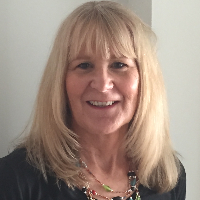
About Linda
Linda Mann is a Licensed Clinical Social Worker with three decades of hands-on experience in behavioral health. She has worked in a range of settings and helps people facing depression, anxiety, substance use concerns, trauma, and major life changes. Linda focuses on practical steps that fit each person’s situation.
She takes a straightforward, person-focused approach. Sessions focus on what is most useful now, such as coping skills, behavior changes, or making sense of a difficult event.
Background and approach
Linda draws from several reputable methods to match interventions to each person’s needs. Many clients find work on mood, stress, sleep, and relationships to be helpful here. Linda also supports people dealing with addiction, grief, parenting strain, caregiver stress, and midlife transitions.
She pays attention to how past family patterns shape present choices. In therapy she helps people identify strengths and try practical techniques between sessions. Conversations are collaborative and paced to the person’s readiness.
The emphasis is on small, steady steps that build lasting change. Linda blends skill teaching with validation and real-world problem solving. The goal is to leave with clearer options and tools to manage intense moments.
Asking for help is a hard step, and she aims to make that step feel purposeful and manageable.
Therapeutic approaches in online care
Linda commonly uses Client-Centered Therapy, which focuses on listening, understanding, and helping people find their own solutions. This approach supports self-awareness and confidence when coping with life changes or relationship strain.She also draws on Cognitive Behavioral Therapy, a practical method that looks at thoughts and behaviors. CBT helps people identify unhelpful thinking patterns, try new actions, and reduce symptoms of anxiety and depression.
Finding the right approach is part of the work. The therapist will talk with the person about goals, preferences, and what feels most helpful. Together they decide which strategies to try and adjust them over time based on progress and feedback.
Online therapy provides flexible ways to meet. Video calls let people use face-to-face interaction for skills practice and deeper conversation. Phone sessions can be a good fit when bandwidth is limited or for short check-ins. Live chat and text-based messaging suit quick updates, coaching between sessions, or people who prefer typing over speaking. These options make it easier to fit therapy into busy lives and keep momentum between appointments.
Frequently asked questions
What kinds of concerns does she address?
What is her therapy style like?
How long has she been practicing?
What are her credentials and where is she based?
Which languages are sessions offered in?
What session formats are available?
How is cost handled?
How do I begin working with her?
Specialties and expertise
Top specialties
Also works with
- Aging and geriatric issues
- Anger management
- Bipolar disorder
- Caregiver issues and stress
- Co-morbidity
- Codependency
- Compassion fatigue
- Coping with life changes
- Depression
- Drug and alcohol addiction
- Emptiness
- Family conflicts
- Family of origin issues
- Grief
- Guilt and shame
- Intimacy-related issues
- Isolation / loneliness
- Life purpose
- Midlife crisis
- Mood disorders
- Parenting issues
- Postpartum depression
- Pregnancy and childbirth
- Process addiction (porn, exercise, gambling)
- Relationship issues
- Self-love
- Sleeping disorders
- Social anxiety and phobia
- Trauma and abuse
- Women's issues
- Workplace issues
Therapeutic approaches
- Experience
- 30 years
- Licensed
- Florida
- Languages
- English