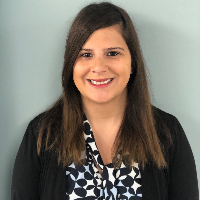
About Justine
Justine Alemany helps people who are coping with trauma, addiction, grief, mood challenges, and major life changes. She speaks English and Spanish and works with adults and adolescents who need practical support, coping skills, and steady guidance. Justine is a Licensed Clinical Social Worker, LCSW, practicing in Florida with six years of experience.
She began clinical work in school and hospital settings in Massachusetts, supporting children and teenagers with complex needs.
Background and approach
That early work included time on an adolescent inpatient unit where many young people had histories of trauma, depression, anxiety, and serious mental illness. She also provided family-focused education and counseling during that period. After returning to Florida, Justine spent time in outpatient and residential substance use treatment, working mainly with adult women facing addiction and co-occurring mental health concerns.
She later joined a Children's Advocacy Center, providing care for children, adolescents, and adults affected by sexual abuse, domestic violence, grief, and difficult life transitions. Her style is flexible and practical. She draws on several approaches to build coping skills, improve emotion regulation, and reduce harmful behaviors.
Common tools include cognitive work to change unhelpful thoughts, skills for managing intense emotions, and trauma-focused techniques to process painful memories. Sessions focus on what will help a person feel safer and more able to manage day-to-day life. Clients and the therapist decide together which techniques to try.
Justine explains options in simple terms and helps people apply new skills between sessions.
How trauma-focused and skills-based work translates online
Client-Centered Therapy focuses on the person’s goals and experience. The therapist listens closely and helps people identify what matters most and what to work on next. Cognitive Behavioral Therapy (CBT) looks at patterns of thinking and behavior and offers simple exercises to change unhelpful habits and reduce anxiety or low mood. Dialectical Behavior Therapy (DBT) teaches concrete skills for managing intense emotions, improving relationships, and tolerating distress.Finding the right approach is a collaborative process. The therapist will talk with the client about current struggles, goals, and preferences and then suggest methods to try. Adjustments are made over time based on what helps most, and clients are encouraged to use new skills between sessions.
Online sessions can use video calls, phone sessions, live chat, or text-based messaging to fit different needs. Video allows face-to-face contact for skill demonstrations and guided exercises. Phone sessions can be better for lower bandwidth or when being on camera is difficult. Live chat or text messaging can support shorter check-ins, coaching, or reminders about skills. These options make it easier to get consistent support alongside work, school, or family responsibilities.
Frequently asked questions
What kinds of problems does she help with?
What is her approach in sessions?
How long has she been practicing clinically?
What are her professional credentials and where does she practice?
Can I work with her if I speak Spanish?
How are sessions delivered online?
How much do sessions cost?
What do I need to do to start therapy?
Specialties and expertise
Top specialties
Also works with
- ADHD
- Adoption and foster care
- Anger management
- Antisocial personality
- Bipolar disorder
- Caregiver issues and stress
- Coaching
- Codependency
- Commitment issues
- Communication problems
- Coping with life changes
- Depression
- Dissociation
- Domestic violence
- Drug and alcohol addiction
- Family conflicts
- Guilt and shame
- Impulsivity
- LGBT
- Mood disorders
- Panic disorder and panic attacks
- Phobias
- Post-traumatic stress
- Self-harm
- Sexual assault and abuse
- Sexuality
- Social anxiety and phobia
- Stress, Anxiety
- Young adult issues
Therapeutic approaches
- Experience
- 6 years
- Licensed
- Florida
- Languages
- English, Spanish