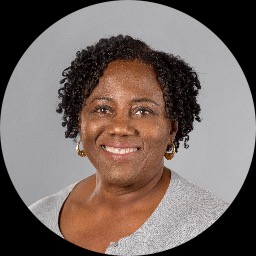
About Juliet
Juliet Daniels helps people manage stress, anxiety, addiction, grief, low self-esteem, depression, and relationship concerns. She speaks plainly and offers steady support for practical problems. Juliet is a licensed clinical social worker, LCSW, with ten years of experience in clinical settings.
She has worked in dialysis and residential substance use programs, so she is familiar with health-related and addiction challenges. Juliet listens without judgment and adapts conversations to each person’s needs.
Background and approach
Sessions focus on clear goals and usable skills rather than vague theories. Her approach blends several methods to match what the person needs most. She uses Acceptance and Commitment Therapy and mindfulness to help people notice thoughts and stay focused on values.
Cognitive behavioral strategies help spot and change unhelpful thinking and behavior patterns. Juliet also draws on client-centered and dialectical behavior approaches to build practical coping skills and stronger emotion regulation. She helps people set small, achievable steps and practice them between sessions.
The aim is to reduce overwhelm and increase day-to-day functioning. People working through adoption or foster care matters, illness, fertility or pregnancy concerns, immigration stress, or discrimination may find relevant experience in her background. Juliet tailors the plan to what matters most to each person.
She expects collaboration and clear, practical next steps during therapy.
How Juliet’s Approaches Translate to Online Care
Acceptance and Commitment Therapy helps people clarify their values and take small steps toward them while learning to accept difficult thoughts and feelings. It is often useful for anxiety, depression, and life transitions. Cognitive Behavioral Therapy focuses on identifying unhelpful thoughts and changing patterns of behavior that keep problems going, which can help with anxiety, depression, and stress management.Juliet combines these approaches with client-centered listening and mindfulness practice to shape a plan that fits each person. Finding the right mix is part of the work together. She will talk with clients about their goals and preferences and adjust methods as needed in a collaborative way.
Online sessions are offered as video calls, phone sessions, live chat, or text-based messaging to make scheduling easier. Video allows face-to-face conversation and exercises, phone can be simpler when bandwidth is limited, and messaging supports short check-ins or ongoing written reflection. These options help people fit therapy into work, caregiving, or health-related routines while keeping a focus on skill practice and steady progress.
Frequently asked questions
What kinds of concerns does she help with?
What is her therapeutic style like?
How much clinical experience does she have?
What are her credentials and where is she located?
Can I work with her if I live outside the U.S.?
What session formats are available?
How does payment and cost work?
How do I begin working with her?
Specialties and expertise
Top specialties
Also works with
- Adoption and foster care
- Cancer
- Chronic pain, illness, and disability
- Commitment issues
- Communication problems
- Coping with natural or human-caused disaster
- Depression
- Divorce and separation
- Family of origin issues
- Family problems
- Fertility issues
- Immigration issues
- Life purpose
- Multicultural concerns
- Pregnancy and childbirth
- Prejudice and discrimination
- Relationship issues
- Seasonal Affective Disorder (SAD)
- Self esteem
- Self-love
- Social anxiety and phobia
- Women's issues
- Workplace issues
Therapeutic approaches
- Experience
- 10 years
- Licensed
- Delaware, Virginia, Alaska, Maine
- Languages
- English