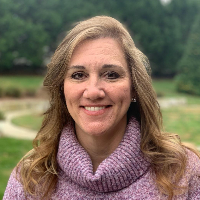
About Judy
Judy Cline is a licensed clinical social worker who helps people cope with stress, anxiety, grief, depression, and life transitions. She also supports those dealing with parenting concerns, relationship and intimacy issues, compassion fatigue, and career or identity questions. Judy draws on a decade of counseling experience, including work in hospice and bereavement settings.
She values the relationship that develops in therapy. Judy aims to offer acceptance and nonjudgmental support so people can notice their strengths and make changes they want.
Background and approach
Sessions focus on what matters to the individual and move at a practical pace. Her style blends compassion with clear, hands-on work. She uses methods that include Acceptance and Commitment Therapy, Cognitive Behavioral Therapy, and Emotionally-Focused Therapy, among others.
That mix helps address thoughts, feelings, and patterns that get in the way of daily life. Judy encourages clients to take an active role in setting goals and trying tools between sessions. Many people appreciate straightforward strategies and gentle exploration of emotions and relationships.
She aims to help people build skills they can use after therapy ends. Judy holds a Licensed Clinical Social Worker credential in North Carolina - LCSW. She works in English and offers sessions through video calls, phone, live chat, or text-based messaging.
To begin, a short matching questionnaire is used to pair people with a therapist and scheduling follows.
Therapeutic approaches for online care
Judy uses approaches like Acceptance and Commitment Therapy and Attachment-Based Therapy in online work. Acceptance and Commitment Therapy helps people notice thoughts and feelings without getting stuck in them and focuses on taking actions that match personal values. Attachment-Based Therapy looks at how early relationships shape current connections and can help when relationship patterns cause pain.She also draws on Client-Centered Therapy principles, offering acceptance and empathy while people name their goals. Choosing an approach is a collaborative process. Judy will talk with clients about their needs and preferences and try methods that best match their goals, adjusting the plan as work continues.
Online sessions make it easier to fit therapy into busy lives. Video calls allow face-to-face conversation and visual cues. Phone sessions can be simpler when bandwidth is limited or a shorter check-in is needed. Live chat and text-based messaging are useful for quick notes, tracking progress, or keeping in touch between longer sessions. Across formats, the focus is the same: clear goals, practical tools, and steady support from a licensed professional.
Frequently asked questions
What concerns does Judy commonly address?
How would you describe her therapy style?
What background and experience does she have?
Where is Judy licensed and practicing?
Which languages are supported in sessions?
What session formats are available?
How does pricing work for sessions?
What are the first steps to start therapy?
Specialties and expertise
Top specialties
Also works with
- ADHD
- Adoption and foster care
- Aging and geriatric issues
- Anger management
- Attachment issues
- Blended family issues
- Cancer
- Career difficulties
- Caregiver issues and stress
- Coaching
- Compassion fatigue
- Coping with life changes
- Coping with natural or human-caused disaster
- Depression
- Divorce and separation
- Emptiness
- Family conflicts
- Family of origin issues
- Family problems
- Forgiveness
- Hospice and end-of-life counseling
- Intimacy-related issues
- Isolation / loneliness
- Life purpose
- Midlife crisis
- Money and financial issues
- Mood disorders
- Parenting issues
- Post-traumatic stress
- Pregnancy and childbirth
- Relationship issues
- Seasonal Affective Disorder (SAD)
- Self-love
- Trauma and abuse
- Veteran and Armed Forces Issues
- Women's issues
- Workplace issues
- Young adult issues
Therapeutic approaches
- Experience
- 10 years
- Licensed
- North Carolina
- Languages
- English