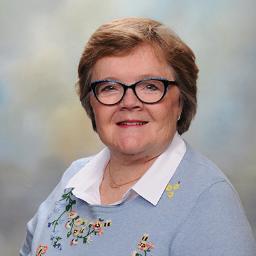
About Judith
Dr. Judith (Judy) Hefren helps people facing stress, anxiety, grief, parenting strain, and major life changes. She uses a straightforward, conversational style so someone worried can explain what feels hard.
Judy is a licensed clinical social worker - LCSW - and works from Florida. Her approach starts by listening. She pays attention to the practical problems behind emotional pain.
Clients and she set clear goals together and choose simple steps to try between sessions.
Background and approach
This often includes small changes in thinking and routine that can ease daily strain. Judy brings six years of clinical experience and a background that blends social work with practical life skills. She has focused experience with adoption and foster care situations and supports adoptive parents, adults who were adopted, and birth mothers.
She has additional experience helping people cope with compassion fatigue and the effects of trauma and abuse. She uses familiar, evidence-informed methods such as client-centered work, cognitive behavioral techniques, motivational interviewing, narrative strategies, and solution-focused methods. In sessions she helps people tell their stories differently, test new thoughts, and map steps forward.
She aims for clear plans that fit each person’s life and capacity. Judy invites an honest conversation about what each person needs. She encourages trying strategies, reviewing how they worked, and adjusting plans as life changes.
Her style is collaborative and practical.
How therapeutic approaches translate to online care
Client-centered therapy focuses on the person’s experience and aims to create a space where the client feels heard and understood. It helps when someone needs an open, nonjudgmental conversation and wants to make choices at their own pace.Cognitive Behavioral Therapy, or CBT, looks at thoughts and behaviors that keep problems going. It helps people with anxiety, depression, and stress by teaching practical skills to challenge unhelpful thoughts and try different actions.
Finding the right approach is part of the work. The therapist will listen to your goals and preferences and suggest methods that fit your situation. That choice is collaborative and can be adjusted over time based on how well something is working.
Online sessions make it easier to fit therapy into a busy life. Video calls allow face-to-face conversation when seeing body language matters. Phone sessions use less bandwidth and can be simpler when video isn’t practical. Live chat or text-based messaging is useful for brief check-ins, coaching-style guidance, or sharing thoughts between longer sessions. These options give flexibility for different schedules and needs while keeping therapy focused on real steps and progress.
Frequently asked questions
What kinds of concerns does this therapist handle?
What is the therapist's style in sessions?
How much clinical experience does she have?
Where is the therapist licensed and based?
Which languages are sessions offered in?
What session formats are available?
How does payment and cost work?
How do I begin working together?
Specialties and expertise
Top specialties
Also works with
- Abandonment
- Adoption and foster care
- Coaching
- Codependency
- Communication problems
- Compassion fatigue
- Coping with life changes
- Dependent personality
- Depression
- Divorce and separation
- Family conflicts
- Family of origin issues
- Family problems
- Forgiveness
- Guilt and shame
- Isolation / loneliness
- Money and financial issues
- Parenting issues
- Relationship issues
- Seasonal Affective Disorder (SAD)
Therapeutic approaches
- Experience
- 6 years
- Licensed
- Florida
- Languages
- English