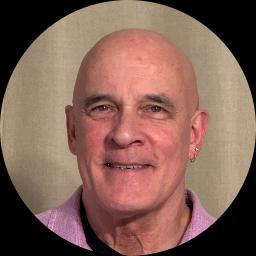
About John
John Cook is a licensed clinical social worker who helps people facing addictions, relationship strain, trauma and abuse, intimacy-related concerns, and depression. He has four decades of experience in behavioral health and offers steady, straightforward support for those feeling stuck or overwhelmed. He listens first and works at the client’s pace.
Sessions focus on clear goals and practical steps, with room to talk about painful memories, relationship patterns, or habits that feel out of control.
Background and approach
He aims to make conversations direct and useful, not long lists of jargon. Over a 40-year career John has also trained and supervised other clinicians. That background informs a calm, solution-oriented style shaped by real-world practice.
He combines reflective listening with tools that target unhelpful thoughts and behaviors. John uses a range of approaches tailored to each person. He may help people notice thinking patterns, build skills to manage intense emotions, or set small goals that create momentum.
The work often blends short-term problem solving with attention to deeper wounds from past events. People who come to him often want help with communication problems, feelings of abandonment or shame, impulsivity, loneliness, or finding renewed purpose. John meets each person where they are and helps them plan manageable steps toward change.
Approach-driven care for online therapy
Client-Centered Therapy focuses on listening without judgment and helping people find their own solutions; it is useful when someone needs a supportive space to make sense of difficult feelings. Cognitive Behavioral Therapy, or CBT, helps people notice unhelpful thinking and try out different behaviors to reduce symptoms like anxiety and depression. Dialectical Behavior Therapy, DBT, teaches practical skills for managing intense emotions and improving relationships, which can help with impulsivity and mood swings.Choosing the right approach is a collaborative process. The therapist will talk with the client about goals, symptoms, and daily life, then suggest approaches that fit those needs. Together they will try methods and adjust them based on what helps in real life.
Online therapy offers flexibility through video calls, phone sessions, live chat, and text messaging. Video lets people use visual cues during deeper conversations. Phone sessions can work when bandwidth is limited or a shorter check-in is needed. Live chat and text messaging are useful for quick updates, between-session coaching, or people who prefer writing to speaking. These options make it easier to fit therapy around work, family, or geographic constraints while still using the same therapeutic approaches described above.
Frequently asked questions
What concerns does John commonly address?
How would you describe his therapy style?
What kind of experience does he bring?
Where is he licensed and practicing?
Which languages are supported for sessions?
What session formats are available?
How is cost handled for sessions?
How do I start a first session?
Specialties and expertise
Top specialties
- Addictions
- Relationship issues
- Trauma and abuse
Also works with
Therapeutic approaches
- Experience
- 40 years
- Licensed
- Alaska
- Languages
- English