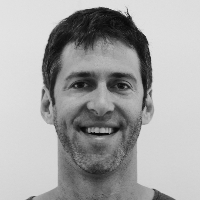
About Jeffrey
Dr. Jeffrey Friedman brings ten years of clinical social work experience to his practice in Florida. He is a Licensed Clinical Social Worker (LCSW) and also holds a LICSW credential.
He focuses on everyday problems that can feel overwhelming, such as anxiety, stress, addictions, relationship strain, and trauma. He aims to build straightforward connections so people can talk about what matters most. Sessions tend to be conversational and focused on what the person wants to change.
Background and approach
He helps people untangle family problems and work through attachment or family of origin issues that keep showing up. Dr. Friedman uses a mix of approaches, including client-centered work, narrative ideas, and trauma-focused methods.
That means he listens closely, helps people tell and reshape the stories that define them, and addresses the impact of past hurt. He also brings existential ideas to questions about life purpose and meaning. People looking for help with LGBT concerns, men's issues, or non-monogamous relationship challenges will find specific experience in those areas.
He also works with social anxiety and phobia, and supports those coping with the long-term effects of abuse or trauma. In sessions, Dr. Friedman focuses on practical next steps and clearer understanding.
He encourages small experiments between meetings and uses follow-up to track change. His style is engaged, direct, and calm, aimed at helping people make steady progress.
How these approaches translate to online therapy
Client-Centered Therapy focuses on listening with empathy and helping people explore what they want to change. In online sessions this means the therapist creates space for the client to lead the conversation and set goals that feel relevant. Narrative Therapy helps people examine and reframe the stories that shape their lives; online work uses conversation and written exchange to notice patterns and try new narratives. Trauma-Focused Therapy targets the lingering effects of past hurt and uses careful, paced interventions to reduce distress and build coping skills.Finding the right approach is a collaborative process. The therapist will discuss goals and preferences in early sessions and adjust methods based on what helps most. Clients and the therapist decide together whether to focus more on storytelling, meaning, or trauma work as needs become clearer.
Online formats include video calls, phone sessions, live chat, and text-based messaging. Video is useful for full conversations and visual cues, while phone calls can be easier when bandwidth is limited or a shorter check-in is needed. Live chat and messaging work well for quick updates, ongoing support between sessions, or when written reflection helps. These options add flexibility for scheduling and let people fit therapy into busy lives.
Frequently asked questions
What kinds of problems does this therapist address?
How would you describe the therapy style and approach?
What is the therapist's background and experience?
Where is the therapist licensed and based?
Which languages are supported for sessions?
Can people outside the United States work with this therapist?
What session formats are available?
How are fees handled and how do subscriptions work?
Specialties and expertise
Top specialties
- Stress, Anxiety
- Addictions
- Relationship issues
Also works with
- Attachment issues
- Family conflicts
- Family of origin issues
- Family problems
- LGBT
- Life purpose
- Men's issues
- Polyamory / non-monogamous relationships
- Social anxiety and phobia
- Trauma and abuse
Therapeutic approaches
- Experience
- 10 years
- Licensed
- Florida, Washington
- Languages
- English