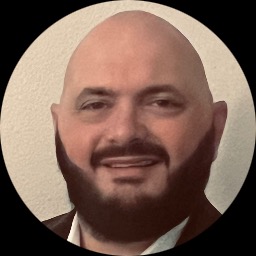
About James
James Saxton offers support for people coping with stress, anxiety, addiction, trauma, sleep problems, depression, anger, grief, low self-esteem, and relationship struggles. He is a Licensed Clinical Social Worker, and he frames therapy around each person’s needs and goals. He focuses on practical steps and honest conversation to help someone move forward.
James believes there is no single path that fits everyone. He works alongside people to set aims and pick approaches that match their situation and motivation.
Background and approach
Sessions center on understanding patterns, building awareness, and practicing changes that feel doable in daily life. In the room he aims for clear talk and steady pacing. He invites clients to name what they want to change and to try small, concrete steps between sessions.
That can include coping skills for anxiety, strategies to manage urges, or ways to improve sleep and mood. His background includes five years of clinical experience in Texas. He holds a Licensed Clinical Social Worker credential, which he uses to guide assessment and ongoing care.
James also draws on work with trauma and addiction-related concerns. People who come to him typically want straightforward guidance and a practical plan. He helps identify repeating patterns that cause pain and then works with clients to test new ways of relating, thinking, and acting.
The emphasis is on steady progress and skills that carry over into everyday life.
How therapeutic methods come alive online
James uses evidence-based therapeutic techniques focused on practical change and healing from trauma. One common approach he uses helps people identify and change unhelpful thinking and behavior patterns by practicing new responses in daily life, which is useful for anxiety, mood symptoms, and sleep problems. Another approach emphasizes processing trauma and building safety over time through gradual exposure and grounding strategies to reduce post-traumatic stress symptoms and improve emotional regulation.Choosing the right approach is a collaborative process. He works with each person to match methods to their goals, preferences, and the pace they are comfortable with. Together they review what is helping and adjust the plan as progress is made.
Online sessions are offered by video calls, phone, live chat, and text-based messaging to make therapy fit different routines. Video calls allow face-to-face interaction for skill practice and deeper conversation. Phone sessions can be a simpler option when bandwidth is limited or for shorter check-ins. Live chat and text messaging provide a flexible way to stay connected between sessions and to share updates or questions in writing. These options help people fit therapy into work, family life, or other commitments while keeping the focus on practical progress.
Frequently asked questions
What problems does James help with?
What is his therapeutic style like?
How much clinical experience does he have?
What credentials and location apply to his practice?
Can I work with him if I live outside the United States?
In what formats are sessions offered?
How does payment work and what does it cost?
What are the first steps to begin therapy?
Specialties and expertise
Top specialties
Also works with
- Anger management
- Attachment issues
- Codependency
- Commitment issues
- Communication problems
- Control issues
- Depression
- Drug and alcohol addiction
- Family of origin issues
- Forgiveness
- Grief
- Guilt and shame
- Life purpose
- Men's issues
- Mood disorders
- Panic disorder and panic attacks
- Post-traumatic stress
- Process addiction (porn, exercise, gambling)
- Relationship issues
- Self esteem
- Self-harm
- Self-love
- Sleeping disorders
- Experience
- 5 years
- Licensed
- Texas
- Languages
- English