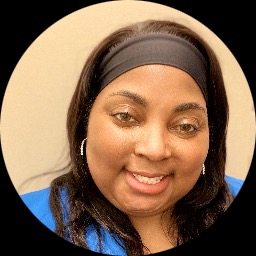
About Iesha
Iesha Whitaker is a licensed clinical social worker in New York who helps people manage stress, anxiety, depression, and the challenges of addiction. She also supports people facing relationship strain, trauma and abuse, grief, and struggles with identity and intimacy. Iesha uses clear, direct talks to help people find practical steps forward.
With eight years of experience as an LCSW, she draws on several approaches that fit different needs. She uses Cognitive Behavioral Therapy to spot unhelpful thoughts and try new behaviors.
Background and approach
Dialectical Behavior Therapy skills are offered for emotion regulation and handling intense moments. Mindfulness practices are woven into sessions to help clients feel calmer and more present. Motivational Interviewing helps when people are stuck or unsure about change, focusing on their own goals.
Narrative Therapy helps people separate themselves from painful stories and rewrite how they see their life. Iesha pays attention to family history, attachment wounds, and issues like abandonment or blended family stress. She also addresses parenting strain, caregiver stress, and career or life-purpose questions.
For people with mood disorders, panic, or trauma symptoms, she works to create manageable steps. Sessions use straightforward language and concrete tools. Practical homework and short skills practice are common.
Iesha aims to help people build small, steady changes that fit everyday life.
Therapeutic approaches for online care
CBT, or Cognitive Behavioral Therapy, focuses on identifying unhelpful thoughts and testing small behavior changes to reduce symptoms like anxiety and depression. It is often used for panic, mood issues, and problems with motivation. DBT, or Dialectical Behavior Therapy, teaches practical skills for managing strong emotions and improving how people respond in heated moments. It can be helpful for anger, relationship conflict, and intense mood swings. Finding the right approach is part of the work. The therapist will talk with each person about goals and preferences and choose or combine methods that fit. This is a collaborative process that can change as needs evolve. Online formats make it easier to fit therapy into a busy life. Video calls allow face-to-face conversation when that helps progress. Phone sessions can be a good option when bandwidth is limited or when someone prefers not to be on camera. Live chat and text-based messaging work well for quick check-ins, brief skill practice, or when a shorter, written touchpoint is most practical. Using these options, licensed professionals can deliver CBT and DBT skills, mindfulness practices, and motivational techniques in ways that match a client’s schedule and learning style.Frequently asked questions
What kinds of concerns does Iesha focus on?
How would you describe her therapeutic style?
What background and experience does she bring?
Where is she licensed and based?
Are sessions available in other languages?
What session formats are offered?
How are costs handled?
How do I begin working with her?
Specialties and expertise
Top specialties
- Stress, Anxiety
- Addictions
- Relationship issues
Also works with
- Abandonment
- ADHD
- Anger management
- Attachment issues
- Bipolar disorder
- Blended family issues
- Career difficulties
- Caregiver issues and stress
- Commitment issues
- Communication problems
- Coping with life changes
- Depression
- Emptiness
- Family conflicts
- Family of origin issues
- Family problems
- Grief
- Intimacy-related issues
- Isolation / loneliness
- LGBT
- Life purpose
- Mood disorders
- Panic disorder and panic attacks
- Paranoia
- Parenting issues
- Post-traumatic stress
- Self esteem
- Self-love
- Social anxiety and phobia
- Trauma and abuse
- Women's issues
- Workplace issues
- Young adult issues
Therapeutic approaches
- Experience
- 8 years
- Licensed
- New York
- Languages
- English