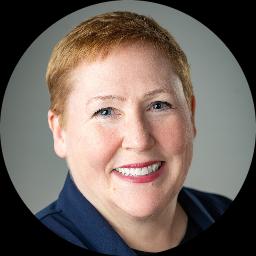
About Holly
Holly Erskine is a licensed clinical social worker in Wisconsin who helps people manage stress, anxiety, trauma, depression, low self-esteem, and major life changes. She speaks plainly and listens closely so clients can be heard and understood. Reaching out for help is hard, and she aims to make that first step feel manageable.
With 15 years of experience, Holly uses a trauma-informed view to make sense of symptoms that come from difficult life events.
Background and approach
She draws on several therapies to match what a person needs rather than relying on one fixed method. Sessions focus on practical skills, clearer thinking, and steady emotional regulation. Holly often works with people affected by post-traumatic stress, dissociation, self-harm, sexual assault and abuse, and mood or personality concerns.
She also supports those coping with disasters, family of origin issues, guilt and shame, impulsivity, seasonal mood shifts, and social anxiety. Her background includes substantial work with trauma-related symptoms and complex presentations. Therapy is collaborative and focused on goals a person finds meaningful.
Early sessions build the relationship and identify what change would look like. Later work may add problem-solving tools, mindfulness practices, and behavior changes to reduce distress. People who want straightforward guidance and steady support may find her approach helpful.
Holly prioritizes a respectful, calm space where clients can take steps toward clearer coping and improved day-to-day functioning.
How therapeutic approaches translate to online care
Client-Centered Therapy focuses on listening, respect, and supporting a person to find their own solutions. It helps when someone needs empathy, clearer goals, and a chance to make choices about change.Cognitive Behavioral Therapy, or CBT, looks at patterns of thinking and behavior and teaches practical skills to shift them. It can be useful for anxiety, depression, and stress by offering step-by-step strategies and homework to practice between sessions.
Dialectical Behavior Therapy, DBT, teaches skills for emotional regulation, distress tolerance, and interpersonal effectiveness. It can be especially helpful for intense emotions, impulsivity, and ongoing mood challenges.
Finding the right approach is part of the work. The therapist will collaborate with the client to pick methods that match goals, needs, and personal preferences. That decision can change over time as progress is made and priorities shift.
Online formats offer practical flexibility. Video calls let conversations feel closer to in-person work, while phone sessions can work when bandwidth is limited or a camera isn't wanted. Live chat and text-based messaging make brief check-ins and skill coaching easier to fit into a busy day. These options allow people to choose what fits their schedule and comfort while continuing steady, goal-oriented therapy.
Frequently asked questions
What concerns does Holly help with?
What is Holly's therapy style like?
How much experience does she have?
What credentials and location apply to this therapist?
Which languages are supported for sessions?
What session formats are available online?
How does billing and cost work?
How do I begin working with her?
Specialties and expertise
Top specialties
Also works with
Therapeutic approaches
- Experience
- 15 years
- Licensed
- Wisconsin
- Languages
- English