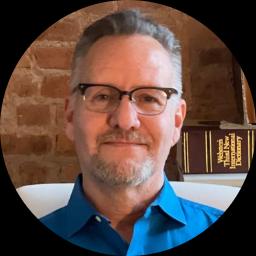
About Gabriel
Gabriel Most is a licensed clinical social worker with 25 years of experience in New York. He helps people who are feeling overwhelmed by anxiety, depression, grief, or addiction. He also supports people facing relationship strain, issues around intimacy, and questions tied to sexual orientation and gender identity.
Gabriel keeps language simple and practical so families and individuals can decide if he is a fit. He trained at CUNY Hunter College and also earned a nursing degree from Phillips Beth Israel School of Nursing in 2012.
Background and approach
Gabriel blends an awareness of the body with talk-based therapy. He believes mental and physical health affect each other and pays attention to both when planning care. Sessions focus on concrete goals and steady progress.
Gabriel draws on cognitive behavioral techniques to change unhelpful thinking, existential ideas to tackle meaning and purpose, and EMDR for trauma work when appropriate. Mindfulness and solution-focused tools are used to build daily coping skills. He aims to make the work collaborative.
A typical first step is clarifying what the person wants to change, then trying small, manageable steps toward those goals. Gabriel emphasizes straightforward strategies, empathy, and practical problem solving. People who choose him can expect a calm, direct style that balances short-term tools with deeper exploration.
He values trust, consistency, and an honest partnership as the path to meaningful change.
Therapeutic approaches adapted for online work
Gabriel uses cognitive behavioral therapy to help people notice and change unhelpful thoughts and behaviors, which can reduce anxiety and lift mood through concrete practice. He also offers existential therapy to help clients talk about meaning, values, and life choices when they feel stuck or uncertain. EMDR is used for trauma-related memories, helping people reprocess distressing events in a structured way when that fits the goals of therapy.Finding the best approach is a collaborative process. Gabriel will discuss options, explain how a method works, and tailor techniques to the client’s needs and preferences. Together they decide whether to focus on short-term coping skills, deeper meaning work, trauma processing, or some combination of those paths.
Online therapy offers flexible ways to meet. Video calls allow face-to-face conversation and visual cues. Phone sessions are useful for lower bandwidth or shorter check-ins. Live chat and text-based messaging suit quick updates, brief reflections, and steady support between sessions. These formats make it easier to fit therapy into busy lives while keeping the work practical and goal-focused.
Frequently asked questions
What concerns does Gabriel commonly help with?
What is his therapy style like?
How much clinical experience does he have?
What credentials and location are listed?
Which languages are sessions offered in?
What session formats are available?
How are fees and payments handled?
How do I begin working with him?
Specialties and expertise
Top specialties
Also works with
- Abandonment
- Aging and geriatric issues
- Anger management
- Attachment issues
- Body image
- Cancer
- Codependency
- Commitment issues
- Compassion fatigue
- Coping with life changes
- Depression
- Dissociation
- Family conflicts
- First responder issues
- Forgiveness
- Gender dysphoria
- Grief
- Guilt and shame
- HIV / AIDS
- Hospice and end-of-life counseling
- Intimacy-related issues
- Life purpose
- Midlife crisis
- Polyamory / non-monogamous relationships
- Post-traumatic stress
- Prejudice and discrimination
- Relationship issues
- Self esteem
- Self-love
- Sex addiction
- Sexual assault and abuse
- Sexuality
- Smoking / vaping cessation
- Social anxiety and phobia
- Trauma and abuse
Therapeutic approaches
- Experience
- 25 years
- Licensed
- New York
- Languages
- English