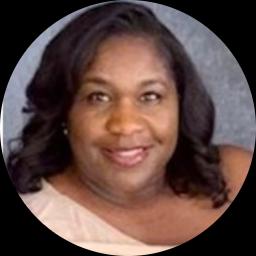
About Ersha
Ersha Mitchell is a licensed clinical social worker who helps people facing anxiety, depression, grief, and trauma. She works with clients navigating LGBT-related concerns, stress, and the effects of past abuse. Her approach is warm and practical, aimed at everyday problems and real change.
She draws on several therapy styles to match what each person needs. Sessions focus on clear goals, coping skills, and understanding how past relationships shape current feelings.
Background and approach
Ersha helps clients notice patterns, try different responses, and build steadier emotional ground. Parents and caregivers often turn to her for help with communication, blended family stress, and the strain of long-term illness or caregiving. She also supports people dealing with abandonment, adoption and foster care issues, and attachment concerns.
Practical tools are mixed with attention to identity and personal meaning. Work in sessions can include learning new ways to manage strong emotions, changing unhelpful thoughts, and practicing how to ask for what one needs. Ersha uses straightforward language and short-term strategies when those fit, and slower exploration when deeper wounds need attention.
She brings five years of clinical experience in settings across Texas and holds a license as a Licensed Clinical Social Worker, LCSW. People looking for flexible session formats can arrange video calls, phone sessions, live chat, or text-based messaging.
Therapeutic approaches and online care
Ersha commonly uses Acceptance and Commitment Therapy and Attachment-Based Therapy alongside client-centered methods. Acceptance and Commitment Therapy helps people notice painful thoughts without getting stuck and commit to values-based actions. It can be useful for anxiety, depression, and when life feels uncertain. Attachment-Based Therapy looks at how early relationships shape current patterns and helps people create steadier connections and improved emotional responses.She approaches treatment as a collaboration. Finding the right method is part of the work together. The therapist and client review needs, goals, and preferences and try approaches that best fit the situation. Adjustments can be made over time based on what is helping.
Online therapy is offered through video calls, phone sessions, live chat, and text-based messaging to make scheduling easier. Video sessions allow face-to-face conversation and exercises that benefit from seeing each other. Phone sessions use less bandwidth and can fit a break at work. Live chat or text messaging can help with brief check-ins, skill practice, or when someone prefers not to be on camera. These options make it easier to get regular support and to keep therapy consistent with a busy life.
Frequently asked questions
What concerns does this therapist focus on?
What is the general therapy style here?
How much clinical experience does she have?
Where is the therapist licensed and located?
Are sessions available in other languages or internationally?
What session formats are offered?
How is cost handled for sessions?
What steps should I take to begin therapy?
Specialties and expertise
Top specialties
Also works with
- Abandonment
- Adoption and foster care
- Attachment issues
- Blended family issues
- Body image
- Caregiver issues and stress
- Chronic pain, illness, and disability
- Communication problems
- Depression
- Fatherhood issues
- Forgiveness
- Grief
- Guilt and shame
- Hospice and end-of-life counseling
- Isolation / loneliness
- Life purpose
- Money and financial issues
- Pregnancy and childbirth
- Self-love
- Sexuality
- Somatization
- Women's issues
- Workplace issues
Therapeutic approaches
- Experience
- 5 years
- Licensed
- Texas
- Languages
- English