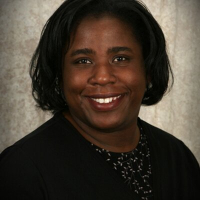
About Ericka
Ericka Bassey is a licensed clinical social worker who brings a practical, compassionate style to therapy. She uses a straightforward approach that focuses on what each person needs right now. Ericka values kindness and works to make sessions feel approachable and useful.
She draws on 15 years of clinical experience across clinics, hospitals, and community mental health settings. That background informs how she helps people manage stress, anxiety, depression, grief, addiction concerns, and mood disorders like bipolar.
Background and approach
She also supports those facing trauma, parenting strain, career shifts, and major life changes. Ericka combines client-centered listening with tools from cognitive behavioral therapy and dialectical behavior therapy. She often adds mindfulness skills and motivational interviewing to help people build new habits and cope with difficult emotions.
Sessions focus on clear, doable steps rather than abstract theory. People meet Ericka where they are. She helps clients name their immediate problems, set realistic goals, and practice skills between sessions.
Her work addresses relationship patterns, family of origin concerns, codependency, and communication problems in plain language. Ericka is licensed in Minnesota as an LCSW and also holds an LICSW credential. She offers services in English and accepts international clients.
For those juggling busy lives, she provides flexible scheduling and a range of online session formats to fit different needs.
Evidence-informed approaches for online care
Ericka uses client-centered therapy to prioritize each person’s experience and goals. This approach means sessions begin with careful listening and are shaped by what matters most to the client, which helps when facing stress, grief, or life transitions.She also uses cognitive behavioral therapy, which focuses on identifying unhelpful thoughts and testing new behaviors. CBT is useful for anxiety, panic, mood concerns, and coping with change. Dialectical behavior therapy provides practical skills for managing intense emotions and improving emotional regulation and communication.
Finding the right approach is a collaborative process. The therapist will work together with the client to decide which tools to try, adjust methods over time, and set goals that fit daily life. Clients have a say in pacing and focus so therapy stays relevant and doable.
Online formats include video calls, phone sessions, live chat, and text-based messaging. Video is good for face-to-face conversation and skill coaching. Phone sessions can fit a break at work or lower bandwidth situations. Live chat or messaging supports shorter check-ins, ongoing support, and practice between meetings. These options make it easier to keep therapy consistent while juggling other responsibilities.
Frequently asked questions
What kinds of concerns does this therapist help with?
How would you describe the therapeutic style?
What background does the therapist have?
Which credentials and location are listed for this therapist?
Are sessions offered in other languages or internationally?
What session formats are available?
How much do sessions cost?
How do I begin working with this therapist?
Specialties and expertise
Top specialties
- Stress, Anxiety
- Grief
- Anger management
Also works with
- Abandonment
- Addictions
- Aging and geriatric issues
- Bipolar disorder
- Career difficulties
- Caregiver issues and stress
- Codependency
- Communication problems
- Compassion fatigue
- Coping with life changes
- Depression
- Dissociation
- Divorce and separation
- Family conflicts
- Family of origin issues
- Forgiveness
- HIV / AIDS
- Life purpose
- Mood disorders
- Multicultural concerns
- Panic disorder and panic attacks
- Parenting issues
- Post-traumatic stress
- Pregnancy and childbirth
- Prejudice and discrimination
- Self esteem
- Self-harm
- Trauma and abuse
- Women's issues
- Workplace issues
Therapeutic approaches
- Experience
- 15 years
- Licensed
- Minnesota, Illinois
- Languages
- English