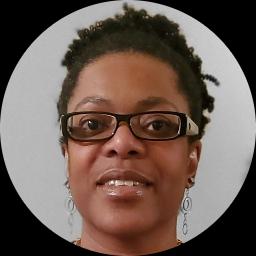
About Elizabeth
Elizabeth Chery is a licensed clinical social worker in New York who helps people manage stress and anxiety. She supports those facing addiction concerns, relationship and intimacy challenges, low self-esteem, and depression. Her tone is practical and grounded, aimed at people who need straightforward help and clear next steps.
She focuses on tailoring conversations and plans to each person’s situation. Sessions are collaborative and goal-oriented. Elizabeth listens for what matters most and works with clients to set achievable steps toward change.
Background and approach
Her background includes six years of professional practice as a licensed clinical social worker, LCSW. That experience has included work with people dealing with trauma and abuse, bipolar concerns, anger, career stress, and family-related issues. She also offers support around challenges such as abandonment, caregiver stress, chronic illness, and grief related to hospice and end-of-life care.
Elizabeth approaches each case with respect, sensitivity, and compassion. She aims to make sessions feel manageable, even when problems are complex. Practical strategies and honest conversation are central to her work.
People can expect a straightforward process for starting therapy and ongoing adjustments as needs change. Elizabeth emphasizes small, realistic steps so progress can be noticed between sessions.
Practical approaches for online therapy and healing
Elizabeth uses evidence-based therapeutic techniques that focus on real-life change. One common approach emphasizes identifying unhelpful thoughts and testing them against real situations to reduce anxiety and negative thinking; this helps people build more balanced reactions. Another approach centers on coping skills for strong emotions and urges, teaching step-by-step strategies to manage cravings, anger, and intense stress so everyday tasks feel more possible.Deciding which approach fits best is part of the work together. She will talk with each person about their goals, preferences, and what has or hasn’t helped before. That collaboration shapes a plan that can be adjusted over time as progress and needs evolve.
Online sessions use video calls, phone sessions, live chat, or text-based messaging to make therapy accessible. Video is useful for deeper conversation and visual cues. Phone can be an easier option when bandwidth is limited. Live chat and text are helpful for brief check-ins, practice between sessions, or when typing feels more comfortable. These options make it easier to fit regular support into a busy life.
Frequently asked questions
What issues does Elizabeth commonly help with?
How would you describe her therapeutic style?
What is her professional background?
Where is Elizabeth licensed to practice?
What languages are offered for sessions?
Can international clients work with her?
Which session formats are available?
How do costs and beginning therapy work?
Specialties and expertise
Top specialties
- Stress, Anxiety
- Addictions
- Relationship issues
Also works with
- Abandonment
- Aging and geriatric issues
- Anger management
- Bipolar disorder
- Blended family issues
- Body image
- Cancer
- Career difficulties
- Caregiver issues and stress
- Chronic pain, illness, and disability
- Commitment issues
- Communication problems
- Depression
- Divorce and separation
- Drug and alcohol addiction
- Family conflicts
- Forgiveness
- Guilt and shame
- Hospice and end-of-life counseling
- Intimacy-related issues
- Isolation / loneliness
- Life purpose
- Midlife crisis
- Mood disorders
- Multicultural concerns
- Prejudice and discrimination
- Self esteem
- Self-love
- Social anxiety and phobia
- Trauma and abuse
- Women's issues
- Experience
- 6 years
- Licensed
- New York
- Languages
- English