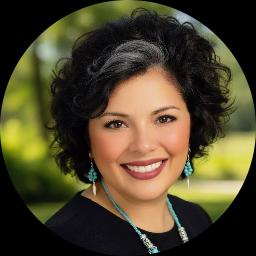
About Dyann
Dyann Avila is a licensed clinical social worker with 28 years of experience who helps people navigate stress, anxiety, grief, and life transitions. She speaks English and Spanish and works with individuals who want practical steps toward feeling steadier and more connected. Her style is warm and straightforward, aimed at creating a dependable place to talk through hard moments.
She blends a person-centered attitude with ideas from attachment theory and trauma-informed care.
Background and approach
In sessions she listens closely, helps people name patterns, and suggests small experiments to try between meetings. That might include communication practices, coping skills for panic or depression, or ways to manage chronic pain and illness in day-to-day life. Dyann draws on cognitive behavioral ideas to challenge unhelpful thoughts and on EMDR to address trauma memories when that approach is appropriate.
She also uses relationship-focused tools inspired by the Gottman Method to help partners improve connection and problem-solving. Mindfulness and narrative techniques are woven in to help clients find meaning and calm. Her background includes long experience supporting women, new parents, and people facing parenting challenges or caregiving for children with special needs.
She also works with people coping with multicultural stressors, discrimination, and life-purpose questions. Practical problem solving is a regular part of sessions. Sessions focus on clear goals and steady progress.
Dyann helps clients set realistic steps, track what works, and adjust plans as needed. People seeking steady, experienced guidance for mood concerns, trauma recovery, relationship struggles, or parenting stress often find this approach helpful.
Therapeutic approaches and online options
Dyann uses attachment-based ideas to look at how early relationships shape current patterns and feelings. That approach helps when someone wants to understand why they repeat the same relationship habits or feel unsafe in close connections. She also uses cognitive behavioral therapy to identify unhelpful thoughts and try concrete behavior changes that reduce anxiety and depressive symptoms. EMDR is part of her work for people who need a focused way to process trauma memories and reduce their emotional intensity.Deciding which approach to use is a collaborative process. The therapist will ask about goals, symptoms, and what has helped in the past. Together they choose methods and make a plan that fits the client's needs and preferences, with room to adjust as progress unfolds.
Online sessions are offered by video call, phone, live chat, or text-based messaging to make therapy easier to fit into busy lives. Video works well for in-depth conversation and visual cues, phone calls use less bandwidth and can fit a break at work, and chat or messaging are helpful for short check-ins or when typing feels easier. These options let people continue therapy during moves, scheduling changes, or when coming into an office is difficult.
Frequently asked questions
What kinds of concerns does she address?
What is her general therapy style?
How much clinical experience does she have?
Where is she licensed and based?
Which languages are sessions offered in?
What session formats are available?
How are fees and payment arranged?
How do I begin therapy with her?
Specialties and expertise
Top specialties
- Stress, Anxiety
- Relationship issues
- Trauma and abuse
Also works with
- Chronic pain, illness, and disability
- Communication problems
- Compassion fatigue
- Coping with life changes
- Depression
- Divorce and separation
- Family conflicts
- Family of origin issues
- Family problems
- Grief
- Intimacy-related issues
- Isolation / loneliness
- Life purpose
- Mood disorders
- Multicultural concerns
- Panic disorder and panic attacks
- Parenting issues
- Postpartum depression
- Prejudice and discrimination
- Self esteem
- Women's issues
- Young adult issues
Therapeutic approaches
- Experience
- 28 years
- Licensed
- Texas
- Languages
- English, Spanish