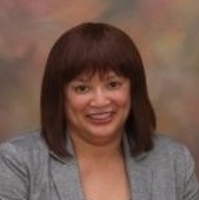
About Delthea
Dr. Delthea Hill is a Licensed Clinical Social Worker with more than 25 years of experience. She completed a doctoral degree at Indiana University and brings long-term clinical practice to her work in Indiana.
Dr. Hill focuses on helping people facing stress, anxiety, depression, trauma, grief, relationship and intimacy concerns, and parenting challenges. She prefers a collaborative style and encourages clients to be active partners in sessions.
Her approach treats people as the experts on their own lives and aims to build trust early on.
Background and approach
Dr. Hill uses clear conversation and practical steps to help people make changes they want to see. Her background includes organizational leadership and clinical supervision, along with years of doing psychosocial assessments and treatment planning.
That experience helps her connect treatment goals to everyday life demands. She often draws on strategies that change patterns of thinking and behavior, and on techniques that focus on strengths and solutions. In sessions she is direct but warm, with strong communication and interpersonal skills.
People who come to her can expect a focus on workable steps, clearer decision making, and steady support through difficult life changes. Dr. Hill offers video calls, phone sessions, live chat, and text-based messaging.
She works in English and provides services to people located in Indiana.
Common approaches and how they fit online
Client-Centered Therapy focuses on listening closely and reflecting what matters to the person. It helps people feel heard and build confidence to set their own goals. Cognitive Behavioral Therapy, or CBT, looks at patterns of thinking and behavior and uses step-by-step exercises to change unhelpful habits. It is often used for anxiety, depression, and stress. Motivational Interviewing is a short-term, goal-focused method that helps people find their own reasons to change and commit to concrete next steps.Finding the right approach usually happens together. The therapist will ask about the client’s goals, preferences, and daily life, then suggest methods to try. Sessions can shift over time, mixing approaches so the work matches what is happening in a person’s life.
Online formats make it easier to fit therapy into busy routines. Video calls allow face-to-face conversation when seeing expressions matters. Phone sessions can work when bandwidth is limited or for a simpler check-in. Live chat and text-based messaging allow short, flexible contact and written reminders of progress. These options support consistent work on goals while adapting to schedules and needs.
Frequently asked questions
What kinds of concerns does she address?
What is her therapy style like?
How much clinical experience does she have?
What credentials and location are listed?
Which languages are supported for sessions?
What session formats are available?
How are costs and billing handled?
How do I begin working with her?
Specialties and expertise
Top specialties
Also works with
- Abandonment
- Aging and geriatric issues
- Anger management
- Bipolar disorder
- Blended family issues
- Cancer
- Career difficulties
- Caregiver issues and stress
- Codependency
- Communication problems
- Coping with life changes
- Depression
- Divorce and separation
- Domestic violence
- Eating disorders
- Family conflicts
- Family of origin issues
- Family problems
- Forgiveness
- Hospice and end-of-life counseling
- Impulsivity
- Intimacy-related issues
- Isolation / loneliness
- Midlife crisis
- Mood disorders
- Multicultural concerns
- Obsessions, compulsions, and OCD
- Panic disorder and panic attacks
- Paranoia
- Parenting issues
- Phobias
- Post-traumatic stress
- Relationship issues
- Self esteem
- Sleeping disorders
- Social anxiety and phobia
- Women's issues
- Young adult issues
Therapeutic approaches
- Experience
- 25 years
- Licensed
- Indiana
- Languages
- English