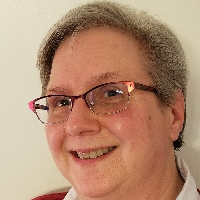
About Cynthia
Cynthia Moses is a licensed social worker who helps people facing stress, anxiety, grief, trauma, relationship struggles, and mood disorders. She works with concerns that include depression, bipolar disorder, panic attacks, addiction, parenting stress, LGBT issues, and life transitions. Cynthia brings a calm, straightforward approach to sessions and focuses on practical next steps.
She describes her style as warm and welcoming. Cynthia looks for common ground to help people feel understood.
Background and approach
She treats therapy as a partnership and works with each person to set realistic goals. Her aim is to remove obstacles so clients can see their own solutions. Cynthia uses a mix of approaches that include client-centered work, cognitive behavioral techniques, dialectical behavior strategies, mindfulness, and narrative methods.
That lets her tailor sessions to the problem at hand - whether that is emotional regulation, changing unhelpful thinking, or making sense of painful experiences. Her background includes long experience in independent practice and work across different settings. Cynthia holds KS LSCSW 1887 and MO LCSW 006152 and practices in Missouri.
She has supported people through grief, abuse recovery, relationship repair, caregiving stress, and end-of-life concerns. Sessions focus on clear, doable steps. Cynthia helps people practice new skills between meetings and tracks progress toward goals.
Her approach balances practical tools with attention to feelings and life stories.
How these approaches translate to online sessions
Cognitive Behavioral Therapy, or CBT, focuses on how thoughts, actions, and feelings connect. In an online session CBT can help with anxiety, depression, panic, and changing unhelpful thinking by practicing skills and tracking small changes. Dialectical Behavior Therapy, or DBT, emphasizes emotion regulation, distress tolerance, and improving relationships. It can be useful for intense emotions, anger, and problems with impulse control by teaching concrete coping skills.Finding the right approach is part of the work. Cynthia will collaborate with each person to choose methods that match their goals and preferences. That may mean combining CBT tools with mindfulness practice or drawing on narrative techniques to reframe life events. The plan can be adjusted as progress is made.
Online therapy offers practical flexibility. Video calls allow face-to-face conversation and visual cues. Phone sessions can be a good option when video is difficult or bandwidth is limited. Live chat and text messaging suit brief check-ins, homework support, or days when typing feels easier than talking. These options make it easier to fit therapy into work, caregiving, or busy schedules while still using evidence-informed methods.
Frequently asked questions
What kinds of concerns does she help with?
How would you describe her therapy style?
What is her professional background?
Where is she licensed to practice?
Which languages are supported?
What session formats are available?
How are fees handled?
How do I start working with Cynthia?
Specialties and expertise
Top specialties
Also works with
- Addictions
- ADHD
- Aging and geriatric issues
- Anger management
- Bipolar disorder
- Career difficulties
- Caregiver issues and stress
- Coaching
- Codependency
- Compassion fatigue
- Coping with life changes
- Depression
- Dissociation
- Divorce and separation
- Domestic violence
- Eating disorders
- Family conflicts
- Family of origin issues
- Gender dysphoria
- Grief
- Guilt and shame
- HIV / AIDS
- Hospice and end-of-life counseling
- Intimacy-related issues
- Life purpose
- Mood disorders
- Panic disorder and panic attacks
- Parenting issues
- Polyamory / non-monogamous relationships
- Post-traumatic stress
- Relationship issues
- Seasonal Affective Disorder (SAD)
- Self esteem
- Self-love
- Sexuality
- Social anxiety and phobia
- Veteran and Armed Forces Issues
- Women's issues
Therapeutic approaches
- Experience
- 3 years
- Licensed
- Kansas, Missouri
- Languages
- English