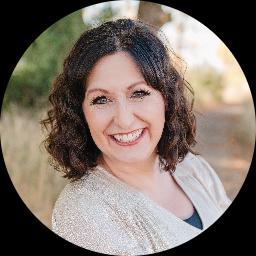
About Connie
Connie Winn is a licensed clinical social worker who helps people handle stress, anxiety, trauma and grief. She offers practical support for parenting struggles, family problems, self-esteem, career stress, depression, and life changes. Her style is warm and straightforward, focused on what will help each person move forward.
Connie uses a mix of approaches to fit different needs. She draws on Acceptance and Commitment Therapy to help people accept difficult feelings while committing to meaningful action.
Background and approach
Cognitive Behavioral Therapy helps with unhelpful thoughts and patterns. Dialectical Behavior Therapy adds skills for emotion regulation and distress tolerance. In sessions she listens closely and works at the client’s pace.
Therapy often includes skill-building, exploring values and goals, and practical steps to cope with daily life. She aims to make the work feel useful and manageable rather than overwhelming. Connie holds a Licensed Clinical Social Worker credential - LCSW - and practices in Utah.
She has eight years of clinical experience supporting people through panic, post-traumatic stress, self-harm struggles, body image concerns, communication and control issues, and more. Sessions are conducted in English. Her approach is collaborative and down-to-earth.
She helps people identify what matters most, set realistic steps, and practice new ways of responding. The goal is improved coping, clearer direction, and greater self-compassion over time.
How Connie’s Approaches Work Online
Acceptance and Commitment Therapy helps people notice difficult thoughts and feelings without getting stuck in them, then choose actions that match their values. It can help with anxiety, depression, and finding direction. Cognitive Behavioral Therapy focuses on spotting unhelpful thinking and trying different behaviors to change mood and reactions; it is often used for panic, social anxiety, and mood shifts. Dialectical Behavior Therapy teaches practical skills for managing intense emotions, improving relationships, and tolerating distress.Finding the right approach is part of the process. Connie will talk with each person about their goals and preferences, and together they decide which methods to try first. Therapy is collaborative and can shift over time based on what helps most.
Online therapy makes it easier to fit work into a busy life. Video calls allow face-to-face conversation and visual cues. Phone sessions can be a good option when bandwidth is limited or for shorter check-ins. Live chat and text-based messaging offer flexible ways to connect between sessions or when writing feels easier. These formats help people engage consistently while balancing school, work, parenting, and other commitments.
Frequently asked questions
What concerns does Connie focus on?
How would you describe her therapeutic style?
What is her background and experience?
Where is Connie based and how is she licensed?
What languages are offered and can international clients join?
What session formats are available?
How are sessions priced?
How do I begin if I want to work together?
Specialties and expertise
Top specialties
Also works with
- Body image
- Career difficulties
- Communication problems
- Control issues
- Coping with life changes
- Depression
- Emptiness
- Family conflicts
- Family of origin issues
- Family problems
- Guilt and shame
- Impulsivity
- Life purpose
- Panic disorder and panic attacks
- Parenting issues
- Post-traumatic stress
- Self esteem
- Self-harm
- Self-love
- Social anxiety and phobia
- Women's issues
- Workplace issues
- Young adult issues
Therapeutic approaches
- Experience
- 8 years
- Licensed
- Utah
- Languages
- English