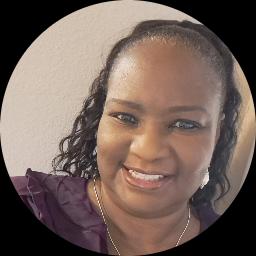
About Chelette
Chelette McClendon is a licensed clinical social worker who focuses on practical, person-centered care. She works with people facing stress, anxiety, grief, low self-esteem, depression, and life transitions. Her style is straightforward and respectful, and she aims to make the first step feel manageable for someone who is worried or unsure.
With five years of professional experience in Texas, Chelette adapts conversations and plans to each person’s situation. She listens first, then offers approaches that fit the issue at hand.
Background and approach
That might mean identifying unhelpful thoughts, exploring motivations, or building small steps toward change. Her work covers a wide range of concerns beyond mood and stress. She helps people dealing with addiction, trauma and abuse, relationship and family tensions, career challenges, and bipolar disorder.
She also addresses issues like caregiver stress, chronic illness, aging concerns, domestic violence, and end-of-life matters. Chelette uses a mix of evidence-informed approaches. She draws on client-centered methods to follow each person’s lead, cognitive behavioral ideas to shift thoughts and behaviors, and solution-focused strategies to set clear, achievable goals.
Narrative techniques are used to reframe difficult life stories when that helps. Sessions are offered in English and delivered through video, phone, live chat, or text messaging. She supports people who want practical tools and steady support while they work toward clearer goals and better day-to-day coping.
Approaches that work well online
Chelette uses client-centered work to follow what matters most to each person, offering a listening stance that helps clients set priorities and feel understood. Cognitive Behavioral Therapy, or CBT, helps people spot and change unhelpful thoughts and behaviors, which is useful for anxiety, depression, and stress-related problems.Finding the right approach is part of the process. She collaborates with clients to pick methods that match their goals and preferences, and adjusts plans over time. That means trying something practical, checking how it feels, and changing course if another route would fit better.
Online sessions are offered through video calls, phone sessions, live chat, or text-based messaging to fit different needs and schedules. Video works well for face-to-face conversation and visual cues. Phone sessions can be a good option when bandwidth is limited or a quieter check-in is needed. Live chat and text messaging suit shorter check-ins, brief coaching, or days when typing is easier than talking. These options make it easier to keep therapy consistent while balancing work, family, and other commitments.
Frequently asked questions
What kinds of problems does this therapist help with?
What is the therapy style like?
How much experience does this therapist have?
What are the credentials and location?
Are sessions offered in other languages or internationally?
Which session formats are available?
How is cost handled for sessions?
What should I do to begin working with this therapist?
Specialties and expertise
Top specialties
Also works with
- Addictions
- Aging and geriatric issues
- Avoidant personality
- Bipolar disorder
- Career difficulties
- Caregiver issues and stress
- Chronic pain, illness, and disability
- Coping with life changes
- Depression
- Domestic violence
- Emptiness
- Family conflicts
- Forgiveness
- Guilt and shame
- Hospice and end-of-life counseling
- Isolation / loneliness
- Life purpose
- Money and financial issues
- Pregnancy and childbirth
- Relationship issues
- Seasonal Affective Disorder (SAD)
- Self-harm
- Self-love
- Trauma and abuse
- Women's issues
Therapeutic approaches
- Experience
- 5 years
- Licensed
- Texas
- Languages
- English