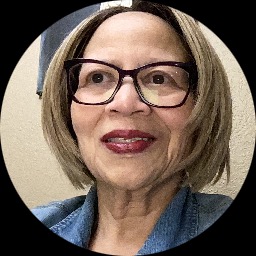
About Chandra
Chandra Fears offers calm, steady support for people facing stress, anxiety, depression, and major life changes. She meets each person where they are and focuses on clear, manageable steps forward. Chandra uses everyday language and practical tools so conversations feel useful from the first session.
With 40 years of experience, Chandra brings long-term clinical perspective to shared problems. She helps people untangle relationship patterns, improve communication, and rebuild self-esteem after loss or separation.
Background and approach
She also addresses caregiver strain, chronic illness and pain, and problems tied to money and life transitions. Sessions aim to identify concrete changes that fit a person’s life. Chandra works with concerns like social anxiety, body image, guilt and shame, and feelings of isolation.
She emphasizes coping strategies that people can practice between sessions to reduce worry and lift mood. Chandra holds the Licensed Clinical Social Worker credential (LCSW) and is also listed as CSW. She is based in Georgia and offers services in English.
Her background includes long-term work with mood disorders and women's issues, and she draws on evidence-based therapeutic techniques in her practice. People who choose Chandra often want a thoughtful listener who also suggests realistic steps. She balances warmth with clear guidance and helps clients set goals they can work toward.
This approach helps clients feel less stuck and more able to handle everyday pressures.
How evidence-based approaches work online
Chandra uses evidence-based therapeutic techniques that focus on practical change and symptom relief. One common approach helps people learn skills to manage worry and low mood through structured practice and problem-solving. This method suits issues like anxiety, depression, and stress by teaching steps people can use day to day.Another approach focuses on improving how people communicate and relate to others. Sessions work on identifying patterns, trying different ways of speaking and setting boundaries, and rehearsing new responses. That style is useful for relationship concerns, social anxiety, and conflicts tied to money or caregiving roles.
Finding the right approach is part of the work together. The therapist will discuss goals, preferences, and what has or hasn’t helped in the past. Together they try methods that feel like a good fit and adjust over time based on what helps most.
Online formats include video calls, phone sessions, live chat, and text-based messaging, which offer flexible ways to keep therapy consistent. Video sessions let people use visual cues and fuller conversation, while phone work can fit into a short break and requires less bandwidth. Live chat and text allow for brief check-ins, journaling-like reflection, and ongoing connection between meetings. These options make it easier to maintain momentum and fit therapy into a busy life.
Frequently asked questions
What kinds of problems does this therapist help with?
How would you describe the therapeutic style?
What is the therapist's background and experience?
Where is the therapist located and what are the credentials?
In which languages can sessions be held and are international clients supported?
What session formats are available?
How is cost handled for sessions?
How do I begin working with this therapist?
Specialties and expertise
Top specialties
- Stress, Anxiety
- Relationship issues
- Self esteem
Also works with
- Experience
- 40 years
- Licensed
- Georgia
- Languages
- English