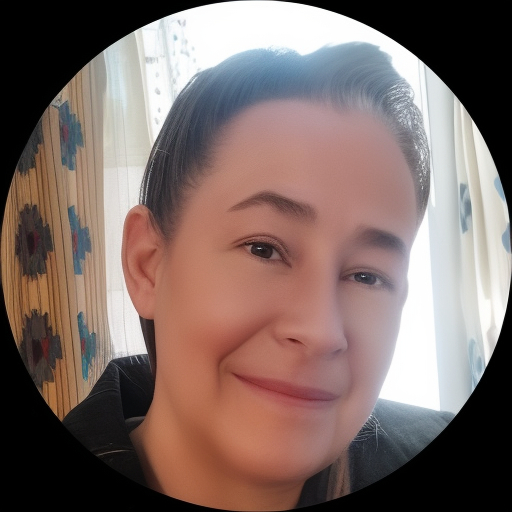
About Autumn
Autumn Kiser is a licensed clinical social worker who helps people facing stress, anxiety, grief, depression, and major life changes. She works plainly and directly, helping clients name what feels hard and learn practical ways to cope. Autumn practices in Colorado and draws on ten years of experience supporting people through tough moments.
Her approach centers on understanding each person’s story. She listens for how past wounds and current pressures connect.
Background and approach
From that point she and the client choose steps that feel manageable and realistic. Sessions focus on skills for day-to-day life as well as emotional processing when needed. Autumn pays attention to relationships and the roles people carry.
Topics she often addresses include caregiver strain, family of origin issues, loneliness, codependency, and difficulties with communication. She also works with concerns that arise with aging and midlife shifts. Clients can expect straightforward conversations that aim to reduce overwhelm.
The work may include coping strategies, ways to handle mood symptoms, and space to grieve losses. Progress is built through repeated small steps and steady support. She holds the credential Licensed Clinical Social Worker, LCSW, and previously held CSW.
Autumn brings a trauma-informed stance to sessions and prioritizes safety and pacing for each person.
How evidence-based approaches work online
Autumn uses evidence-based therapeutic techniques that help people manage symptoms and improve daily functioning. One common approach focuses on practical coping skills and behavioral changes to reduce anxiety and depressive symptoms; this involves identifying unhelpful patterns and trying small experiments to change routines and reactions. Another approach emphasizes trauma-informed care, which means moving at a pace the person can handle while processing painful memories and building emotion regulation tools.Choosing the right approach is a collaborative process. The therapist will discuss goals, preferences, and what feels manageable, then try methods that match those priorities. Adjustments are made as the work progresses so the plan stays useful and realistic.
Online formats include video calls, phone sessions, live chat, and text-based messaging. Video is useful for deeper conversations and visual cues. Phone sessions can fit into a busy day or when bandwidth is limited. Live chat and text allow shorter check-ins, ongoing support between sessions, and flexibility for people who prefer writing. These options help make therapy easier to fit into everyday life and keep momentum between meetings.
Frequently asked questions
What kinds of concerns does she address?
How would you describe her therapeutic style?
How long has she been practicing?
What credentials and location are listed?
Which languages are available for sessions?
What session formats does she offer online?
How are sessions billed and what does it cost?
How do I begin working with her?
Specialties and expertise
Top specialties
Also works with
- Aging and geriatric issues
- Caregiver issues and stress
- Codependency
- Communication problems
- Coping with life changes
- Depression
- Divorce and separation
- Domestic violence
- Emptiness
- Family of origin issues
- Forgiveness
- Guilt and shame
- Intellectual disability
- Isolation / loneliness
- Life purpose
- Midlife crisis
- Mood disorders
- Multicultural concerns
- Post-traumatic stress
- Self-love
- Social anxiety and phobia
- Experience
- 10 years
- Licensed
- Colorado, Wyoming
- Languages
- English