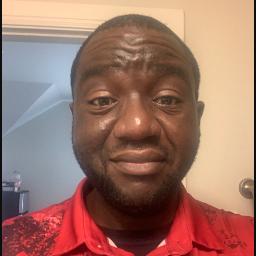
About Andrew
Andrew Oshobu is a licensed clinical social worker who helps people facing stress, anxiety, depression, and trauma. He also supports those coping with life changes and working to rebuild self-esteem. He writes plainly and offers steady, direct support in sessions.
His style is warm and down-to-earth. He listens first and asks practical questions to clarify what matters most. Sessions focus on small, doable steps that fit into everyday life rather than long lectures or complex jargon.
Background and approach
Andrew uses a mix of approaches to match each person’s needs. He draws on cognitive behavioral ideas to challenge unhelpful thinking and on acceptance and commitment ideas to help people notice what matters to them. He also uses techniques for trauma processing when past events keep affecting daily life.
He is attentive to cultural background and the pressures some people face because of identity or social expectations. That perspective informs how he helps people make changes and set meaningful goals. He pays particular attention to men's issues, fatherhood concerns, first responder stress, and identity-related struggles.
Sessions aim to build practical coping skills, strengthen emotional awareness, and restore a sense of purpose. Andrew practices in Texas as an LCSW - licensed clinical social worker - and draws on three years of professional experience to guide people toward clearer next steps.
Approaches that translate well to online therapy
Acceptance and Commitment Therapy helps people clarify what matters to them and take small actions in line with those values. It focuses on noticing thoughts without getting stuck, which can reduce anxiety and increase life direction. Cognitive Behavioral Therapy targets unhelpful thinking and behavior patterns by teaching concrete skills to change daily habits and reactions. It is useful for anxiety, depression, and many stress-related problems. Eye Movement Desensitization and Reprocessing is a trauma-focused method used to reduce the hold of distressing memories and the reactions they trigger.Finding the right approach is part of the work. The therapist will talk with each person about goals and preferences and then try methods that fit. This is a collaborative process and plans are adjusted as needed based on what helps most.
Online therapy makes it easier to fit sessions into busy lives. Video calls allow face-to-face conversations when that helps the work. Phone sessions can be a good option when bandwidth is limited or a camera is not wanted. Live chat and text messaging offer brief check-ins or support between longer sessions. These formats increase flexibility and let people keep therapy going around jobs, parenting, or other responsibilities.
Frequently asked questions
What concerns does this therapist address?
How would you describe his therapeutic style?
What is his clinical background?
What credentials and location apply?
Which languages are supported and can he work internationally?
What session formats are available?
How is cost handled for sessions?
How do I begin working with him?
Specialties and expertise
Top specialties
Also works with
- Abandonment
- Attachment issues
- Communication problems
- Control issues
- Coping with life changes
- Depression
- Divorce and separation
- Eating and food-related issues
- Fatherhood issues
- First responder issues
- Forgiveness
- Guilt and shame
- Jealousy
- Life purpose
- Men's issues
- Multicultural concerns
- Obsessions, compulsions, and OCD
- Panic disorder and panic attacks
- Paranoia
- Phobias
- Post-traumatic stress
- Prejudice and discrimination
- Process addiction (porn, exercise, gambling)
- Self-love
- Social anxiety and phobia
- Workplace issues
Therapeutic approaches
- Experience
- 3 years
- Licensed
- Texas
- Languages
- English