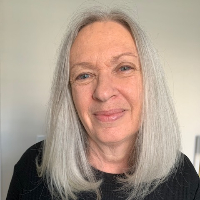
About Anat
Dr. Anat Anais is a licensed clinical social worker in New York with 30 years of practice. She helps people facing stress, anxiety, depression, relationship trouble, trauma and abuse, and issues like grief, addiction, eating and sleeping problems.
She also supports concerns around self-esteem, intimacy, parenting strain, and career transitions. She trained at Adelphi University, earning both a master’s and a doctorate in social work. Over three decades she has worked with people from many backgrounds and many kinds of life challenges.
Background and approach
Her clinical title is LCSW, which stands for Licensed Clinical Social Worker. Her approach is practical and person-focused. She begins by listening to what matters most to each person.
Then she builds a plan that fits the person’s goals, strengths, and daily life rather than using the same method for everyone. Dr. Anais draws on a mix of approaches including attachment-based work, cognitive behavioral techniques, emotionally-focused methods, client-centered care, and motivational interviewing.
Sessions tend to focus on changing patterns that cause distress, improving close relationships, and strengthening coping skills. She offers one-on-one support aimed at helping people make steady progress. Sessions can address a single problem or a cluster of concerns, such as coping with loss while managing parenting demands.
The tone is collaborative, straightforward, and respectful of each person’s experience.
How therapy approaches translate to online work
Attachment-based work focuses on patterns in close relationships. It helps people understand how early bonding affects current trust, closeness, and conflict. Cognitive Behavioral Therapy, or CBT, looks at the links between thoughts, feelings, and actions and teaches practical tools to change unhelpful patterns. Emotionally-Focused Therapy helps people name and process strong emotions to improve how they connect with others.Choosing the right approach is part of the process. The therapist will talk with each person about their goals, life situation, and what feels most helpful. Together they decide which methods to try and adjust the plan as progress is made.
Online formats include video calls, phone sessions, live chat, and text-based messaging. Video works well for conversations that benefit from face-to-face interaction. Phone sessions use less bandwidth and can be easier to fit into a work break. Live chat or text-based messaging can suit quick check-ins, brief coaching notes, or when typing feels more comfortable than talking. These options make it easier to schedule regular sessions and keep therapy consistent when life is busy.
Frequently asked questions
What kinds of concerns does she help with?
What is her therapy style like?
How much clinical experience does she have?
What are her professional credentials and location?
Which languages are offered for sessions?
How are sessions delivered?
How is cost handled?
What do I do to begin working together?
Specialties and expertise
Top specialties
- Stress, Anxiety
- Relationship issues
- Trauma and abuse
Also works with
- Abandonment
- Addictions
- Adoption and foster care
- Anger management
- Attachment issues
- Bipolar disorder
- Blended family issues
- Body image
- Career difficulties
- Coaching
- Communication problems
- Compassion fatigue
- Control issues
- Coping with life changes
- Coping with natural or human-caused disaster
- Depression
- Disruptive Mood Dysregulation Disorder (DMDD)
- Dissociation
- Divorce and separation
- Domestic violence
- Eating disorders
- Family conflicts
- Family of origin issues
- Family problems
- Grief
- Guilt and shame
- Impulsivity
- Intimacy-related issues
- Isolation / loneliness
- LGBT
- Mood disorders
- Multicultural concerns
- Parenting issues
- Self esteem
- Sleeping disorders
- Social anxiety and phobia
- Women's issues
- Young adult issues
Therapeutic approaches
- Experience
- 30 years
- Licensed
- New York
- Languages
- English, Hebrew