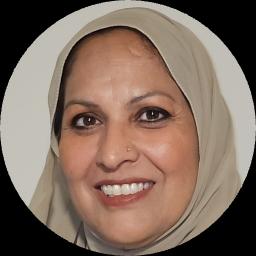
About Aabeda
Aabeda Fatmi uses client-centered and practical approaches to help people manage stress and anxiety. She brings 16 years of professional experience and listens first to understand each person’s story. Aabeda guides people through life changes, relationship and intimacy concerns, addiction struggles, depression, and trauma-related issues in straightforward language.
She believes people know their own lives best and builds on their strengths. Sessions focus on clear goals and small, doable steps that fit daily life.
Background and approach
She uses tools from Cognitive Behavioral Therapy to spot unhelpful thoughts, and mindfulness practices to calm the body and mind. Her work also addresses family conflict, caregiver strain, blended family issues, and separation. Aabeda supports those dealing with abandonment, attachment wounds, guilt, shame, and isolation.
She offers strategies for improving self-esteem and rebuilding motivation after setbacks. Aabeda holds an MD and is licensed as LCSW-C 34340 and Florida LCSW SW13187. She practices in Florida and communicates in English, Bihari languages, Hindi, and Urdu.
International clients are accepted. Typical sessions blend listening, problem-solving, and skill-building. Appointments can focus on short-term goals or longer work on trauma and family patterns.
She aims to help people feel more capable and make practical day-to-day changes.
How therapies like CBT and client-centered work online
Client-Centered Therapy focuses on listening and understanding each person’s experience. The therapist follows the client’s lead, reflects what they say, and helps them find their own solutions. This approach is useful when someone needs space to tell their story and to feel heard.Cognitive Behavioral Therapy (CBT) looks at how thoughts, feelings, and actions link together. It teaches practical exercises to challenge unhelpful thoughts and try new behaviors, which can help with anxiety, depression, and stress. Mindfulness Therapy adds simple breath and attention practices to reduce reactivity and improve coping in daily life.
Finding the right approach is part of the work together. The therapist will discuss goals, try methods that match those goals, and adjust based on what helps. This is a collaborative process where the client’s preferences and feedback guide the plan.
Online sessions offer flexibility for different schedules and needs. Video calls allow face-to-face conversation and visual cues. Phone sessions can be easier when bandwidth is limited or when a shorter check-in is needed. Live chat and text-based messaging let people share thoughts between sessions and get ongoing support without always scheduling a call.
Frequently asked questions
What concerns does she help with?
What is her therapeutic style?
How much experience does she have?
What are her credentials and where is she based?
In which languages can sessions be held?
Which session formats are available?
How are fees handled?
How do I begin therapy with her?
Specialties and expertise
Top specialties
- Stress, Anxiety
- Family conflicts
- Trauma and abuse
Also works with
- Abandonment
- Addictions
- Aging and geriatric issues
- Attachment issues
- Autism and Asperger Syndrome
- Blended family issues
- Career difficulties
- Caregiver issues and stress
- Compassion fatigue
- Coping with life changes
- Depression
- Divorce and separation
- Family of origin issues
- Forgiveness
- Guilt and shame
- Intimacy-related issues
- Isolation / loneliness
- Post-traumatic stress
- Relationship issues
- Self esteem
- Self-love
- Social anxiety and phobia
Therapeutic approaches
- Experience
- 16 years
- Licensed
- Florida, Utah, New Jersey, Maryland
- Languages
- English, Bihari languages, Hindi, Urdu