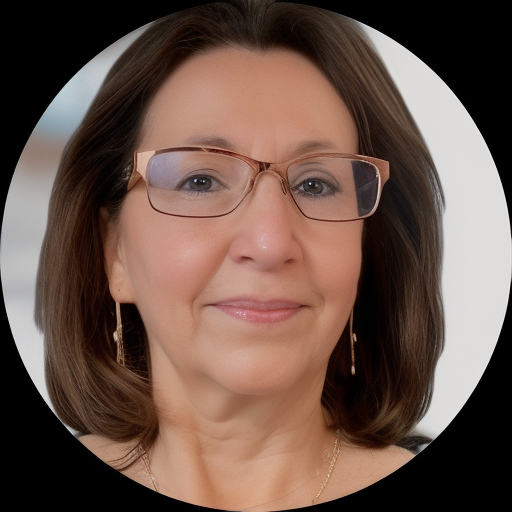
About Vilma
Vilma Ramirez is a bilingual clinician who helps people manage stress, anxiety, depression, relationship strain, and major life changes. She is a Licensed Clinical Social Worker (LCSW) with two decades of experience in medical, inpatient, outpatient, and insurance-based settings. She speaks English and Spanish, and sees clients in New Jersey.
Her style is collaborative and compassionate. Sessions are structured but flexible to fit each person’s needs. She focuses on strengths and practical coping skills rather than long lists of labels.
Background and approach
Vilma uses straightforward talk, guided exercises, and real-world strategies. She helps people build insight, reduce symptoms, and handle life transitions. Conversations aim to be warm and direct, with clear goals and steps to move forward.
Many people come for help with family patterns, communication problems, grief, caregiver stress, immigration concerns, and feelings of isolation or guilt. She also supports those facing aging and geriatric issues, codependency, and adjusting after disasters. Her background includes twenty years working across different treatment settings, which informs a practical approach to care.
She invites clients to take an active role in shaping sessions and to bring questions about cultural or life-context factors that matter to them.
How therapeutic approaches translate to online care
Vilma works from a strengths-based, client-centered approach that focuses on practical skills and personal values. This method helps people identify what already works for them and build on it to manage stress, anxiety, or life transitions.She also uses structured, problem-focused techniques that break concerns into manageable steps. These techniques might include guided coping exercises, communication practice, and short homework tasks to try between sessions. They tend to suit people who want clear goals and measurable progress.
Finding the right approach is part of the work. The therapist and client will talk together about goals, preferences, and what feels helpful. That collaborative process guides which techniques are used and how sessions are paced.
Online therapy here is offered by licensed professionals through video calls, phone sessions, live chat, or text-based messaging. Video lets people talk face to face when a visual connection matters. Phone sessions need less bandwidth and can fit into a tight break. Live chat or text messaging works well for quick check-ins, brief coping tools, or when typing feels easier than talking. These options make therapy more flexible so it can fit work, caregiving, or other schedules.
Frequently asked questions
What concerns does she address?
How would you describe her therapy style?
What is her background and experience?
What credentials and location apply to her practice?
Which languages are supported in sessions?
What session formats are available?
How are costs handled for sessions?
What are the first steps to begin therapy?
Specialties and expertise
Top specialties
- Stress, Anxiety
- Relationship issues
- Family conflicts
Also works with
- Abandonment
- Aging and geriatric issues
- Caregiver issues and stress
- Codependency
- Communication problems
- Control issues
- Coping with life changes
- Coping with natural or human-caused disaster
- Depression
- Family of origin issues
- Family problems
- Forgiveness
- Guilt and shame
- Immigration issues
- Isolation / loneliness
- Life purpose
- Multicultural concerns
- Postpartum depression
- Seasonal Affective Disorder (SAD)
- Self-love
- Somatization
- Women's issues
- Experience
- 20 years
- Licensed
- New Jersey
- Languages
- English, Spanish