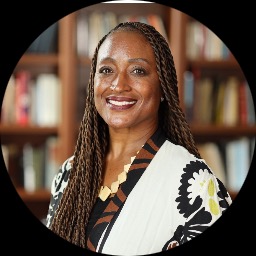
About Umeka
Umeka Franklin welcomes people who are feeling overwhelmed by stress, anxiety, depression, or the aftermath of trauma. She introduces simple steps people can use right away to ease distress and build steadier coping skills. Umeka is a licensed clinical social worker with two decades of professional experience and works from a respectful, compassionate stance.
She focuses on practical support for everyday struggles like low self-esteem, trouble finding purpose, or the strain of chronic illness and caregiving.
Background and approach
Conversations are shaped around each person’s needs so goals stay realistic and manageable. Sessions aim to break problems into smaller parts and find workable changes that fit daily life. People bring many kinds of concerns, including workplace stress, social anxiety, guilt or shame, and post-traumatic stress related to military service.
Umeka listens for patterns that keep difficulties going and helps people experiment with different ways of responding. She balances emotional support with clear, goal-focused steps. Her approach is collaborative: together with the person she sets priorities, tracks progress, and adjusts the plan when needed.
She also attends to practical issues such as communication problems, control issues, and forgiveness work. Over time the focus can shift from crisis management to building resilience and self-compassion. Sessions are offered in English and Umeka sees people across California.
She accepts international clients for online work and adapts pacing and tools to fit each person’s situation and schedule.
Practical approaches for online healing
Umeka uses evidence-based techniques that focus on clear tools and steady progress. One approach emphasizes building coping skills and behavioral changes to reduce anxiety and manage stress; it breaks problems into small, doable steps and teaches practices people can use between sessions. Another approach focuses on processing trauma and difficult memories in a paced way that aims to lower distress and improve daily functioning, with attention to safety and stability first.Finding the right approach is part of the work together. The therapist will discuss options, ask about goals and preferences, and try methods that match a person’s needs. That collaborative process helps decide what to keep using and what to change as progress is made.
Online therapy offers several practical benefits. Video calls allow face-to-face conversation when a visual connection helps, while phone sessions can be easier when bandwidth is limited or a shorter check-in is needed. Live chat and text-based messaging let people share thoughts between sessions or when typing feels more comfortable. These options make it easier to fit therapy into busy days and different time zones, and let licensed professionals provide consistent support without travel.
Frequently asked questions
What concerns does this therapist commonly address?
How would you describe her therapeutic style?
What is her professional background?
What credentials and region are listed for this therapist?
Which languages are supported for sessions?
What session formats are available?
How does pricing work for sessions?
What are the first steps to begin therapy?
Specialties and expertise
Top specialties
Also works with
- Experience
- 20 years
- Licensed
- California
- Languages
- English