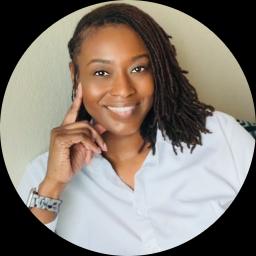
About Tracey
Tracey Arnold is a licensed clinical social worker with 16 years of experience helping people manage anxiety, stress, depression, and trauma. She practices in Texas and focuses on clear, practical steps that fit into busy lives. Tracey uses straightforward language and a friendly tone so conversations feel approachable and calm.
Her style is collaborative and warm. She prioritizes listening first, then helps people set simple goals they can work toward between sessions.
Background and approach
Tracey emphasizes building trust and using small, doable tools to reduce panic, ease social fears, and stabilize mood. Many clients seek help for relationship strain, feelings of abandonment, trouble with attachment, or communication problems. She also supports people dealing with guilt, shame, isolation, and questions about life purpose.
Tracey addresses the impact of trauma, panic attacks, and mood disorders with steady, focused work. In sessions she mixes practical skill-building with chances to reflect on patterns that keep people stuck. That might look like testing new ways of talking with a partner, practicing breathing during panic moments, or setting limits to reduce overwhelm.
The aim is clearer choices and less reactivity. Tracey works in multiple online formats to fit different needs. She helps people who want short check-ins and those who prefer deeper weekly work.
Her approach is intended to be down-to-earth and tailored to each person’s situation.
Therapeutic approaches and online care that fit your life
Tracey uses evidence-based techniques that focus on practical change and clearer thinking. Cognitive behavioral approaches help people spot unhelpful thoughts and test new ways of thinking to reduce anxiety and depression. Solution-focused methods concentrate on small, achievable steps and on what’s already working in someone’s life to build momentum and hope.Choosing the right approach is a collaborative process. The therapist will talk with each person about goals and preferences, try initial strategies, and adjust plans as needed. This allows the approach to evolve based on what makes the biggest difference for the individual.
Online therapy is offered through video calls, phone sessions, live chat, or text-based messaging to increase flexibility. Video calls let conversations feel more like in-person sessions. Phone sessions are useful when a camera isn’t needed or bandwidth is limited. Live chat and text-based messaging are convenient for short check-ins, quick skill reminders, or when scheduling needs to be tight. These options help people fit therapy into work, family life, or busy days while keeping the focus on steady progress and achievable changes.
Frequently asked questions
What concerns does Tracey often help with?
How would you describe her therapy style?
What is her clinical background?
What credentials and location are listed?
Which languages are supported and are international clients accepted?
What session formats are available?
How does pricing work?
How do I begin working with her?
Specialties and expertise
Top specialties
- Stress, Anxiety
- Relationship issues
- Trauma and abuse
Also works with
- Abandonment
- Attachment issues
- Communication problems
- Control issues
- Depression
- Divorce and separation
- Forgiveness
- Guilt and shame
- Isolation / loneliness
- Life purpose
- Mood disorders
- Narcissism
- Panic disorder and panic attacks
- Post-traumatic stress
- Self esteem
- Self-love
- Social anxiety and phobia
- Women's issues
- Workplace issues
- Experience
- 16 years
- Licensed
- Texas
- Languages
- English