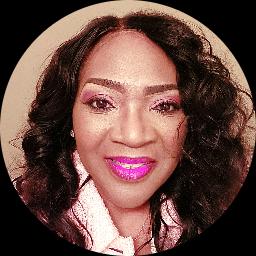
About Tonia
Dr. Tonia Hoskins offers help for stress, anxiety, depression, trauma, parenting challenges, relationship issues, grief, and mood disorders. She also supports people facing ADHD, career strain, compassion fatigue, and major life changes.
Dr. Hoskins uses straightforward, practical conversations to help people manage day-to-day struggles and make plans they can try between sessions. She trained in social work at Georgia State University and later completed a PhD at Walden University.
Her doctoral research looked at African American women’s experiences with clinicians from different cultural backgrounds.
Background and approach
Those experiences shape how she listens and responds in sessions. Dr. Hoskins draws on client-centered work to keep the person’s goals front and center.
She also uses cognitive behavioral ideas to spot unhelpful thinking and try new ways of coping. Emotionally-focused ideas and mindfulness practices help when emotions feel overwhelming. Over eight years in practice, she has worked in clinical leadership roles and provided services to veterans.
That background informs her focus on cultural awareness and on making services easier to access. She holds the LCSW credential and is licensed in Georgia as GA LCSW CSW007689. People can expect a collaborative, respectful approach.
Sessions are practical and grounded in real problems. The aim is to help people find clearer steps forward and feel more steady day to day.
How therapeutic approaches translate to online care
Client-centered therapy focuses on listening and following the person’s goals. In online sessions this means the therapist centers what matters most to the client and adapts each meeting to those priorities. It helps when someone needs a supportive space to clarify values and next steps.Cognitive behavioral therapy, or CBT, looks at patterns of thinking and behavior that keep problems going. Online CBT sessions often include short exercises and home practice to try new ways of thinking between meetings, which can help with anxiety, depression, and stress.
Emotionally-focused ideas are used to name and work with strong feelings in relationships and personal life. Even over video or phone, these methods help people notice emotional patterns and practice different responses in real time.
Finding the right approach is part of the work. The therapist will collaborate with each person to choose methods that match their needs, goals, and comfort level. This is a practical process and can shift as progress is made.
Online formats offer flexibility for busy schedules. Video calls are useful for face-to-face conversation and visual cues. Phone sessions use less bandwidth and can fit quickly into a work break. Live chat or text-based messaging can serve as brief check-ins or ongoing support between longer sessions.
Frequently asked questions
What concerns does she help with?
What is her therapeutic style like?
What experience does she bring to therapy?
What are her credentials and where is she based?
Which languages are supported and can international clients be seen?
What session formats are available?
How does billing and cost work?
How do I begin working with her?
Specialties and expertise
Top specialties
- Stress, Anxiety
- Trauma and abuse
- Parenting issues
Also works with
- ADHD
- Aging and geriatric issues
- Anger management
- Bipolar disorder
- Career difficulties
- Caregiver issues and stress
- Coaching
- Commitment issues
- Compassion fatigue
- Coping with life changes
- Depression
- Divorce and separation
- Domestic violence
- Family conflicts
- Family problems
- Forgiveness
- Gender dysphoria
- Grief
- Infidelity
- Intimacy-related issues
- Isolation / loneliness
- Jealousy
- Mood disorders
- Multicultural concerns
- Post-traumatic stress
- Postpartum depression
- Pregnancy and childbirth
- Relationship issues
- Self esteem
- Self-love
- Sexual assault and abuse
- Veteran and Armed Forces Issues
Therapeutic approaches
- Experience
- 8 years
- Licensed
- Georgia
- Languages
- English