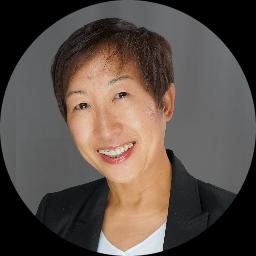
About Tiffany
Tiffany Ung is a Licensed Clinical Social Worker (LCSW) based in California with 13 years of experience as a psychotherapist. She brings a calm, respectful approach to sessions and aims to make people feel heard from the first conversation. Her style is warm and interactive.
She listens first and helps people notice strengths they already have. Sessions focus on practical steps alongside deeper understanding of how patterns formed over time.
Background and approach
Tiffany commonly helps people who are struggling with stress, anxiety, low self-esteem, grief, addiction concerns, and big life changes. She also supports those coping with relationship strain, parenting challenges, attention difficulties such as ADHD, and feelings of isolation or shame. In session she blends client-centered listening with approaches that look at thoughts and behaviors and the life story behind them.
That mix lets clients try short-term strategies while also addressing underlying patterns that keep problems returning. Many clients appreciate straightforward tools they can use between sessions, such as problem-focused steps, motivational strategies, and ways to notice and shift thinking. She conducts sessions in English and Cantonese and practices in California.
Tiffany encourages people who are ready to make changes to take a small first step. She helps set clear goals, track progress, and adjust the plan as needed so therapy fits each person’s life and pace.
Therapeutic approaches and how they work online
Client-centered therapy focuses on listening with empathy and helping people lead the conversation about their own goals. It is useful for building self-awareness, increasing confidence, and finding motivation to change.Cognitive Behavioral Therapy, or CBT, looks at the link between thoughts, feelings, and actions. It offers practical exercises to test unhelpful thoughts and try new behaviors, which can help with anxiety, low mood, and social worries.
Motivational Interviewing helps people clarify what they want to change and strengthen their motivation. It is often used when someone feels stuck or unready to make a change and benefits work around habits, substance use concerns, or life transitions.
Choosing the right approach is part of the work. The therapist will talk with each person about goals, preferences, and what feels most useful. Together they decide which methods to try and adjust the plan as progress is made.
Online sessions offer several practical benefits. Video calls allow face-to-face interaction when visual cues matter. Phone sessions use less bandwidth and can be easier during a busy day. Live chat or text messaging supports brief check-ins, coaching-style notes, and ongoing reflection between appointments. These options make it easier to fit therapy into a routine and to keep momentum between sessions.
Frequently asked questions
What concerns does Tiffany commonly address?
How would you describe Tiffany's therapy style?
What is her professional background?
What credentials and location are listed for Tiffany?
Which languages are available for sessions?
What session formats does she offer?
How does billing and cost work?
How do I begin working with her?
Specialties and expertise
Top specialties
- Stress, Anxiety
- Relationship issues
- Family conflicts
Also works with
Therapeutic approaches
- Experience
- 13 years
- Licensed
- California
- Languages
- English, Cantonese