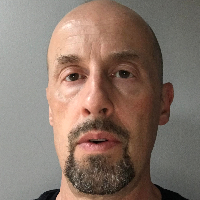
About Thomas
Thomas Zimm meets people where they are and helps them steady when life feels overwhelming. He listens without rushing and focuses on practical steps that make day-to-day life easier. Thomas uses a calm, straightforward approach so families and individuals can start to feel a little lighter each week.
Thomas is a licensed clinical social worker, LCSW, with 14 years of experience. He trained at the Jane Addams School of Social Work and has worked with people who have faced abuse, neglect, domestic violence, separation, and loss.
Background and approach
His background includes work with adolescents and adults impacted by depression, bipolar disorder, substance use, interpersonal violence, and homelessness. In sessions he emphasizes engagement and validation. He avoids pathologizing labels and focuses on advocacy and practical problem solving.
Thomas draws from cognitive behavioral methods and mindfulness to help people notice patterns and try new responses in small, manageable steps. Attachment ideas guide his work when relationships and early wounds matter. He also uses trauma-focused strategies when past harm affects daily functioning.
The overall tone is collaborative - the person in therapy helps set the pace and goals. People reach out for many reasons including anxiety, stress, grief, anger, addiction, ADHD, and caregiver strain. Thomas also supports those working through abandonment, adoption and foster care issues, dissociation, and post-traumatic stress.
He aims to help people build clearer routines, steadier emotions, and better relationships.
Approaches that adapt well to online care
Thomas blends cognitive behavioral ideas with acceptance and commitment strategies to help people change unhelpful thinking and take values-based action. CBT focuses on identifying patterns that keep problems going and practicing new thinking and behaviors. Acceptance and Commitment Therapy helps people notice strong emotions and commit to small steps that line up with what matters to them.He also uses trauma-focused and attachment-informed approaches when past hurts shape current relationships and reactions. Trauma-focused work focuses on reducing the hold of painful memories and learning skills to manage intense feelings. Attachment-informed techniques look at how early bonds affect trust and closeness, and then build more reliable ways of relating in the present.
Finding the right approach is a collaborative process. The therapist will work with the client to choose techniques that match their needs, goals, and comfort. That might mean blending methods or shifting focus as progress happens.
Online therapy here can include video calls, phone sessions, live chat, or text messaging to fit different days and energy levels. Video is useful for deeper conversations, phone can work when bandwidth is limited, and chat or messaging can be a good option for quick check-ins or shorter work between sessions. These options help people fit therapy into work, school, or caregiving routines while keeping consistent care.
Frequently asked questions
What concerns does Thomas commonly address?
How does he approach therapy?
What kind of clinical background does he have?
Where is he licensed and based?
Which languages are available for sessions?
What session formats are offered?
How are fees and payments handled?
How do I begin working with him?
Specialties and expertise
Top specialties
Also works with
- Abandonment
- Addictions
- ADHD
- Adoption and foster care
- Anger management
- Attachment issues
- Bipolar disorder
- Caregiver issues and stress
- Compassion fatigue
- Control issues
- Depression
- Disruptive Mood Dysregulation Disorder (DMDD)
- Dissociation
- Domestic violence
- Emptiness
- Family conflicts
- Fatherhood issues
- Guilt and shame
- Isolation / loneliness
- Men's issues
- Post-traumatic stress
- Relationship issues
Therapeutic approaches
- Experience
- 14 years
- Licensed
- Illinois
- Languages
- English