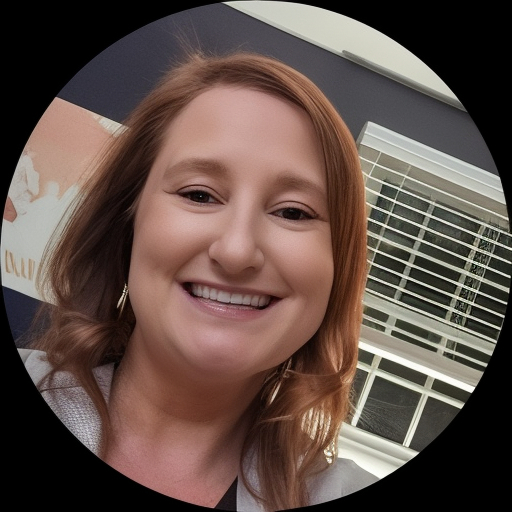
About Tandi
Tandi Orluk meets people where they are and helps them find clearer footing. She listens closely to what matters most and works with each person to set realistic goals. Her straightforward style is aimed at reducing daily stress and easing anxiety so life can feel more manageable.
She draws on 18 years of experience as a licensed clinical social worker - LCSW - based in New York. Sessions focus on practical steps and skills that fit into a person’s routine.
Background and approach
Conversations are collaborative; the client’s priorities guide the pace and plan. Her approach blends client-centered care with cognitive behavioral work and mindfulness practices. That means she pays attention to a person’s experience, then uses thought-and-behavior tools and present-moment awareness to reduce symptoms and build coping skills.
She also uses motivational interviewing to support change and DBT skills for emotion regulation when needed. Tandi helps people facing a range of concerns including stress, depression, anxiety, relationship strain, trauma and abuse, addiction, sleep and eating problems, and workplace issues. She also focuses on body image, guilt and shame, loneliness, life purpose, and veteran and armed forces issues.
Her sessions aim to be practical and goal-oriented. She asks about your objectives, outlines options, and checks in on progress. The work is intended to help people make manageable changes and feel steadier in daily life.
Therapeutic approaches that translate well online
Client-centered therapy focuses on listening and building a plan around each person's goals. In online sessions this means the therapist asks about priorities and adapts tools to the client’s life and schedule. Cognitive behavioral therapy, or CBT, looks at how thoughts and actions affect mood and behavior; online CBT often uses short exercises and homework that fit between sessions. Dialectical behavior therapy, DBT, teaches concrete skills for managing intense emotions and improving relationships, and these skills can be practiced during video or messaging sessions.Finding the right approach is part of the work. The therapist will collaborate with the client to choose methods that match their needs and comfort. They check progress regularly and adjust techniques if something isn’t helping. That way the plan stays focused on what the person wants to achieve.
Online therapy offers flexibility through video calls, phone sessions, live chat, and text-based messaging. Video works well for full conversations and skills practice. Phone sessions can fit into a lunch break or when bandwidth is limited. Live chat and text messaging make brief check-ins and homework reviews easier. These options help people keep therapy consistent while fitting it into busy lives.
Frequently asked questions
What kinds of problems does she help with?
What is her therapy style like?
How much clinical experience does she have?
What credentials and location are listed?
Can I work with her if English is not my first language?
Which session formats are available?
How are sessions paid for and what do they cost?
How do I begin working with her?
Specialties and expertise
Top specialties
Also works with
- Addictions
- ADHD
- Bipolar disorder
- Body image
- Career difficulties
- Compassion fatigue
- Coping with life changes
- Eating disorders
- Family conflicts
- Forgiveness
- Guilt and shame
- Isolation / loneliness
- Life purpose
- Obsessions, compulsions, and OCD
- Panic disorder and panic attacks
- Post-traumatic stress
- Relationship issues
- Seasonal Affective Disorder (SAD)
- Self-love
- Sexual assault and abuse
- Sleeping disorders
- Social anxiety and phobia
- Trauma and abuse
- Veteran and Armed Forces Issues
- Women's issues
- Workplace issues
Therapeutic approaches
- Experience
- 18 years
- Licensed
- Kentucky, New York
- Languages
- English