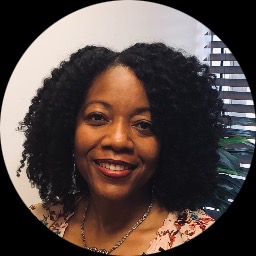
About Tamu
Tamu Harris is a licensed clinical social worker who helps people facing stress, anxiety, depression, addiction, and relationship struggles. She brings 21 years of experience and a calm, straightforward style. Conversations are practical and focused on what will make day-to-day life better.
Clients can expect a warm, person-centered approach that values each individual’s experience. Sessions often focus on identifying manageable steps, building coping skills, and improving communication. The work is collaborative and paced to what feels doable for the person in therapy.
Background and approach
Tamu uses proven, goal-focused methods alongside open listening. She draws from client-centered therapy to create space for people to be heard. Cognitive behavioral ideas help identify thought patterns that contribute to distress.
Solution-focused techniques are used to set short-term goals and track progress. This is useful when people want clear actions and quick gains. Tamu also addresses issues such as caregiver stress, blended family concerns, codependency, and recovery from substance use.
Her practice covers a wide range of life challenges including career stress, intimacy-related issues, anger, guilt and shame, and dealing with prejudice and discrimination. She works with people affected by divorce or separation and those connected to Veteran and Armed Forces issues. Tamu sees clients in California and conducts sessions in English.
As an LCSW she combines practical tools with steady support to help people move toward clearer choices and better daily functioning.
How therapeutic approaches translate to online care
Client-centered therapy focuses on listening and understanding. The therapist creates space for people to tell their story and feel heard, which can help when sorting through stress, self-esteem, or relationship concerns.Cognitive behavioral therapy helps identify unhelpful thoughts and test new behaviors. Online sessions can include practical exercises and simple homework to change patterns that fuel anxiety, depression, or addictive behaviors.
Solution-focused therapy looks for concrete steps and small changes that lead to quick improvements. It is useful when someone wants clear goals and measurable progress over a few sessions.
Choosing the right approach is part of the work. The therapist will collaborate with each person to pick methods that match their goals, needs, and preferences. This is an ongoing conversation rather than a one-time decision.
Online formats - video, phone, live chat, and text messaging - make it easier to fit therapy into a busy life. Video calls are helpful for face-to-face conversation and exercises. Phone sessions can work when video is not practical or bandwidth is limited. Live chat and text are useful for brief check-ins, tracking progress, or getting support between longer sessions. These options offer flexibility so therapy can happen when it fits into a day.
Frequently asked questions
What concerns does this therapist address?
What is the therapy style like?
How much clinical experience does she have?
What are her credentials and where is she based?
Which languages are used in sessions?
What session formats are available?
How are sessions paid for?
How do I begin working with this therapist?
Specialties and expertise
Top specialties
- Stress, Anxiety
- Addictions
- Relationship issues
Also works with
- Anger management
- Blended family issues
- Career difficulties
- Caregiver issues and stress
- Codependency
- Communication problems
- Compassion fatigue
- Coping with life changes
- Depression
- Divorce and separation
- Domestic violence
- Drug and alcohol addiction
- Family conflicts
- Family problems
- Forgiveness
- Guilt and shame
- Intimacy-related issues
- Life purpose
- Money and financial issues
- Mood disorders
- Prejudice and discrimination
- Self esteem
- Veteran and Armed Forces Issues
- Women's issues
- Workplace issues
Therapeutic approaches
- Experience
- 21 years
- Licensed
- California
- Languages
- English