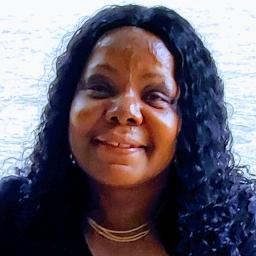
About Sherry
Sherry Graves is a Licensed Clinical Social Worker who centers therapy on the person in front of her. She focuses on trauma, addictions, depression, bipolar concerns, and self-esteem. Her approach is straightforward and rooted in helping people move past painful experiences toward clearer purpose and stronger self-regard.
Sherry earned her master’s degree from Long Island University in New York City in 2006. She has 16 years of documented experience in mental health and substance use work across hospitals, residential programs, and community teams.
Background and approach
Her background includes collaborating with courts, medical providers, and community agencies to coordinate care. In sessions she draws on client-centered methods and motivational interviewing to support change and build motivation. She also uses cognitive behavioral ideas to gently challenge unhelpful thoughts and trauma-focused work to address past harm.
The emphasis is on practical steps people can use between sessions. People seeking help for codependency, domestic violence, sexual assault and related trauma will find a direct, empathetic approach. Sherry aims to help clients explore life purpose, heal from self-harm impulses or addiction, and rebuild self-love and confidence.
Her practice is based in Georgia and she offers therapy in English. Sherry describes therapy as a collaborative process where clients set goals and choose the pace. She encourages people ready to begin to take the first step toward change.
How Sherry’s Approaches Work Online
Client-centered therapy places the client’s experience at the center of sessions and focuses on empathy and listening to what matters most. This helps people name their priorities and feel heard while deciding next steps. Cognitive Behavioral Therapy (CBT) looks at the link between thoughts, feelings, and actions and teaches practical tools to challenge unhelpful thinking and build new habits. Trauma-Focused Therapy concentrates on addressing past harm in manageable ways so it stops shaping daily life.Choosing the right approach is a collaborative process. The therapist will talk with the client about goals, history, and preferences and recommend approaches that fit. Plans can be adjusted as progress is made, and techniques from different approaches are combined when helpful.
Online formats include video calls, phone sessions, live chat, and text-based messaging. Video calls work well for deeper conversations and exercises that need visual cues. Phone sessions can be a good option for lower bandwidth or when being off camera helps focus. Live chat and text-based messaging are useful for brief check-ins, coping skill reminders, or when shorter, more frequent contact fits someone’s day. These options make it easier to fit therapy into work, school, or caregiving routines while keeping the focus on practical progress.
Frequently asked questions
What kinds of problems does she help with?
What is her therapy style like?
How long has she practiced?
What are her credentials and where is she based?
Which languages are supported?
How can sessions be held?
How is cost handled?
What should I do to begin therapy?
Specialties and expertise
Top specialties
Also works with
- Bipolar disorder
- Codependency
- Depression
- Domestic violence
- Drug and alcohol addiction
- Infidelity
- Life purpose
- Paranoia
- Self-harm
- Self-love
- Sexual assault and abuse
- Women's issues
Therapeutic approaches
- Experience
- 16 years
- Licensed
- Georgia
- Languages
- English