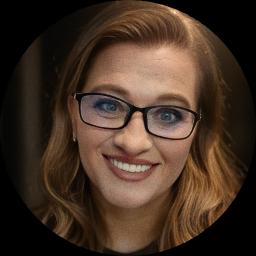
About Sherida
Sherida Newmister is a licensed clinical social worker with 27 years of experience helping people cope with stress, anxiety, depression, trauma, and life changes. She practices from Indiana and brings a calm, practical style to sessions. Sherida focuses on clear goals and steady progress rather than quick fixes.
Clients meet a therapist who listens first and asks useful questions. Sherida blends practical tools with supportive conversation. She helps people name what they are feeling and try new ways of handling hard moments.
Background and approach
In sessions she draws on cognitive behavioral tools to spot unhelpful thinking. She also uses acceptance and commitment ideas to help people decide what matters most. For trauma work she may incorporate EMDR methods alongside skills from dialectical behavior therapy.
Sherida aims to make therapy feel manageable. She helps people set small, realistic steps and notices progress along the way. Sessions focus on building skills for coping, improving communication, and restoring energy for daily life.
Her approach suits people who want a mix of talk and practical skill-building. She works with a wide range of concerns including addictions, relationship and intimacy issues, anger, career strain, and compassion fatigue. Sherida helps clients move from feeling stuck to taking clearer, more intentional steps forward.
How therapeutic approaches fit online care
Acceptance and Commitment Therapy (ACT) focuses on helping people notice thoughts and feelings without getting stuck in them, then take actions that match their values. It can help with anxiety, depression, and coping with life changes. Cognitive Behavioral Therapy (CBT) looks at the links between thoughts, feelings, and actions and teaches concrete techniques to change patterns that get in the way of daily life. It is useful for panic, mood concerns, and social anxiety. Eye Movement Desensitization and Reprocessing (EMDR) targets distress from traumatic memories using structured processing; it may reduce the intensity of trauma symptoms when combined with supportive stabilization work.Finding the right approach is part of the work. The therapist will discuss goals and preferences and try methods that match each person's needs. That collaborative process helps shape a plan that feels doable and relevant to daily life.
Online therapy offers flexibility for people with busy schedules or limited local options. Video calls allow face-to-face conversation while phone sessions can be easier when bandwidth or camera use is a concern. Live chat and text-based messaging support quick check-ins, brief skill practice, and ongoing progress between longer sessions. These options make it simpler to fit therapy into work breaks, travel, or a fluctuating routine.
Frequently asked questions
What kinds of problems does Sherida help with?
What is her style of therapy like?
How long has she been practicing?
Where is she licensed and based?
Which languages are supported for sessions?
What session formats are available?
How does pricing work?
How do I begin sessions?
Specialties and expertise
Top specialties
Also works with
- Abandonment
- Addictions
- Anger management
- Bipolar disorder
- Career difficulties
- Coaching
- Communication problems
- Compassion fatigue
- Coping with life changes
- Depression
- Domestic violence
- Drug and alcohol addiction
- Family conflicts
- First responder issues
- Guilt and shame
- Impulsivity
- Intimacy-related issues
- Isolation / loneliness
- Mood disorders
- Narcissism
- Panic disorder and panic attacks
- Post-traumatic stress
- Relationship issues
- Self-love
- Social anxiety and phobia
Therapeutic approaches
- Experience
- 27 years
- Licensed
- Indiana, Florida
- Languages
- English