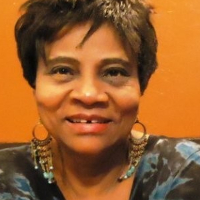
About Sheree
Sheree Moore is a licensed clinical social worker with 15 years of experience helping people find practical tools and steady support. She brings a calm, straightforward style to sessions and focuses on clear next steps. Sheree works from California and conducts sessions in English.
Her background includes work in foster care, child welfare, and with older adults. That experience informs how she talks about life transitions, caregiving, and adoption-related concerns.
Background and approach
She draws on a range of methods to tailor support to each person’s needs. In the room she emphasizes relationships and everyday function. Conversations look at how patterns with others affect mood, anxiety, and stress.
She also uses therapies that focus on changing unhelpful thoughts, managing strong emotions, and processing traumatic memories when needed. Sheree helps people facing depression, panic, social anxiety, grief, and identity questions including LGBT concerns. She also assists those coping with isolation, codependency, guilt or shame, and end-of-life decisions.
Her work often addresses attachment issues and life purpose alongside practical coping strategies. Sessions tend to be collaborative and paced to fit the person’s goals. She aims to increase self-awareness and build skills that carry into daily life.
People who want clear techniques and compassionate guidance may find this approach useful.
How therapeutic approaches translate to online sessions
Acceptance and Commitment Therapy, or ACT, helps people clarify what matters most to them and take small actions toward those values. It focuses on accepting difficult thoughts while committing to meaningful steps, which can help with anxiety and life changes. Cognitive Behavioral Therapy, or CBT, looks at unhelpful thoughts and behaviors and teaches concrete skills to shift them. It is often used for depression, panic, and social anxiety because it breaks problems into manageable skills and exercises. Eye Movement Desensitization and Reprocessing, or EMDR, is used to process traumatic memories by pairing focused attention with guided procedures. For people who have trauma symptoms, this method can reduce distress tied to specific memories. Finding the right approach is a collaborative process. The therapist will discuss goals and preferences, try techniques, and adjust plans based on what helps most. Clients are invited to give feedback so the sessions match their needs and pace. Online therapy offers flexible ways to connect. Video calls let the therapist and client use visual cues and screen-shared worksheets. Phone sessions work well when bandwidth is limited or when someone prefers not to be on camera. Live chat and text messaging give shorter check-ins, ongoing support between sessions, and options for people with tight schedules.Frequently asked questions
What concerns does Sheree commonly address?
What is her therapeutic style like?
How long has she been practicing?
What license and location should I know about?
In which language are sessions offered?
Which session formats are available?
How does payment and cost work?
What are the first steps to begin?
Specialties and expertise
Top specialties
Also works with
- Adoption and foster care
- Aging and geriatric issues
- Attachment issues
- BDSM, kink, and alternative sex culture
- Codependency
- Coping with life changes
- Coping with natural or human-caused disaster
- Dependent personality
- Depression
- Forgiveness
- Guilt and shame
- Hospice and end-of-life counseling
- Isolation / loneliness
- Life purpose
- Panic disorder and panic attacks
- Self-love
- Social anxiety and phobia
- Women's issues
Therapeutic approaches
- Experience
- 15 years
- Licensed
- California
- Languages
- English