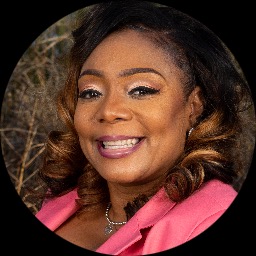
About Shelia
Shelia Ransom Jenkins helps people facing stress, anxiety, depression, trauma and family conflict. She listens without judgment and offers steady support as people take the first steps toward change. Shelia is a licensed clinical social worker - Licensed Clinical Social Worker (LCSW) and Licensed Independent Clinical Social Worker (LICSW) - with twenty years of professional experience.
Her approach is warm and straightforward. She creates a space where people can talk about hard things and feel heard.
Background and approach
Shelia focuses on practical ways to cope with panic attacks, mood shifts, and intense anxiety so daily life feels more manageable. Sessions often include talking through relationship worries, attachment and abandonment concerns, or the fallout of divorce and separation. Shelia helps people untangle control issues, communication problems, and patterns of isolation that get in the way of feeling connected.
Work on forgiveness, self-love, and finding life purpose is also part of her practice. With two decades of experience she draws on evidence-based therapeutic techniques to guide care. She works collaboratively with each person to identify small steps that lead to change.
Her Minnesota location is one of the places she practices, and she also accepts international clients for remote sessions. People can expect a steady, compassionate partner in therapy who values clarity and practical progress. Shelia helps clients build coping skills, reduce distress, and move toward a fuller life at a pace that fits them.
Evidence-based approaches for online support
Many people benefit from evidence-based therapeutic techniques that focus on thoughts, feelings, and behavior. Cognitive-based strategies teach practical ways to notice and change unhelpful thinking patterns that fuel anxiety, panic, and low mood. These approaches help with everyday worry, social anxiety, and mood management by providing tools to practice between sessions.Trauma-informed methods focus on safety, pacing, and rebuilding a sense of control after difficult experiences. Work in this area often includes grounding skills, managing triggers, and strengthening coping strategies to reduce distress and improve daily functioning.
Finding the right approach is a collaborative process. The therapist will talk with the person about goals, symptoms, and preferences to choose methods that fit. Together they will try techniques, review what helps, and adjust the plan over time.
Online options include video calls, phone sessions, live chat, and text-based messaging to increase flexibility. Video calls let people use visual cues and a fuller conversation. Phone sessions need less bandwidth and can be easier during a busy day. Live chat and text messaging work well for brief check-ins, tracking progress, or ongoing support between longer sessions. These formats make it easier to fit therapy into work, family life, or travel without losing continuity of care.
Frequently asked questions
What concerns does she address?
How would you describe her therapeutic style?
What experience does she bring?
Which credentials and location apply?
Can sessions be held in other languages or countries?
What session formats are available?
How is cost handled?
How do I begin the process?
Specialties and expertise
Top specialties
- Stress, Anxiety
- Family conflicts
- Trauma and abuse
Also works with
- Experience
- 20 years
- Licensed
- Minnesota, Illinois
- Languages
- English