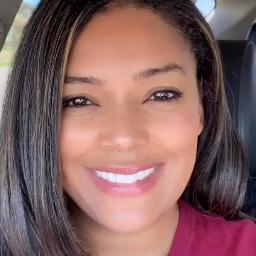
About Shavondria
Shavondria "Vonda" Jacobs helps people facing stress, anxiety, depression, grief, and major life transitions. She sees issues like low self-esteem, career strain, trauma and abuse, and challenges adapting to change. Vonda works in a direct and compassionate way that aims to make therapy feel understandable and useful for everyday life.
Her approach is interactive and respectful. Sessions focus on practical tools and clear conversation rather than labels. She uses methods that help people notice their values, change unhelpful thoughts, and process difficult memories when needed.
Background and approach
Vonda holds a Licensed Clinical Social Worker credential and also lists CSW. She has about six years of clinical experience working with a broad range of concerns, including postpartum depression, caregiver stress, and end-of-life issues. Her background includes supporting people through medical crises, blended family stress, and multicultural concerns.
In sessions she often combines acceptance-based work with cognitive techniques and brief solution-focused strategies. When trauma memories need attention, she may include EMDR-informed approaches alongside other methods. The aim is to create a plan that fits each person’s situation and pace.
She offers video calls, phone sessions, live chat, and text-based messaging to make therapy fit busy lives. To begin, a short matching questionnaire helps connect someone to her practice and schedule sessions according to availability.
Approaches that translate well to online care
Acceptance and Commitment Therapy focuses on helping people clarify what matters to them and take actions that match those values while learning to live with difficult thoughts and feelings. It often helps with anxiety, depression, and feeling stuck. Cognitive Behavioral Therapy looks at the link between thoughts, feelings, and actions and teaches practical skills to shift unhelpful thinking and behavior patterns, which can reduce symptoms and improve daily functioning.Deciding which approach to use is a collaborative process. The therapist will talk with each person about goals, preferences, and how problems show up day to day. Together they choose or blend methods and adjust them as progress is made so the plan fits the person rather than forcing a single method.
Online therapy options include video calls, phone sessions, live chat, and text-based messaging. Video calls let conversations feel closer to an in-person visit, while phone sessions can work better when bandwidth is limited or you prefer not to be on camera. Live chat and text messaging are useful for brief check-ins, homework support, or when a shorter touchpoint fits your day. These formats make it easier to fit therapy around work, caregiving, or medical appointments and let people keep regular contact without commuting.
Frequently asked questions
What concerns does she help with?
What is her therapeutic style like?
What is her professional background?
Where is she licensed and practicing?
Which languages are supported for sessions?
What session formats are available?
How are sessions priced?
How do I begin working with her?
Specialties and expertise
Top specialties
Also works with
- Aging and geriatric issues
- Blended family issues
- Cancer
- Career difficulties
- Caregiver issues and stress
- Coping with life changes
- Depression
- Emptiness
- Forgiveness
- Hospice and end-of-life counseling
- Infidelity
- Jealousy
- Life purpose
- Midlife crisis
- Multicultural concerns
- Post-traumatic stress
- Postpartum depression
- Pregnancy and childbirth
- Prejudice and discrimination
- Self-love
- Trauma and abuse
- Traumatic brain injury
- Veteran and Armed Forces Issues
- Workplace issues
Therapeutic approaches
- Experience
- 6 years
- Licensed
- Colorado, Oklahoma, Oregon
- Languages
- English