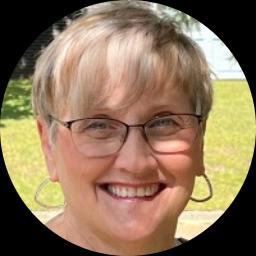
About Sharon
Sharon Holmberg helps people handle stress, anxiety, trauma and abuse, self-esteem struggles, and depression. She also supports people who are coping with life changes. Sharon is a licensed clinical social worker in Mississippi with 28 years of experience.
She speaks English and meets people with respect and compassion. Sharon uses a straightforward, individual approach. She listens first to understand what matters most to each person.
From there she tailors conversations and a plan to fit specific needs and goals.
Background and approach
Sessions focus on practical steps people can try between meetings. Her work often centers on caregiver stress, communication problems, and the emotional impact of divorce and separation. Sharon also helps people wrestling with guilt, shame, and forgiveness.
She addresses loneliness, finding life purpose, and building self-love. People turn to her for help with mood disorders, panic attacks, post-traumatic stress, and social anxiety. She aims to reduce symptoms while strengthening coping skills.
The pace and focus adjust to what each person needs in the moment. Sharon emphasizes sensitivity and dignity in every conversation. She encourages small, achievable changes and supports people as they try new ways of coping.
The goal is clearer thinking, steadier moods, and better day-to-day functioning.
Therapeutic Approaches and Online Care
Sharon works with evidence-based therapeutic techniques that focus on real-life change. One common approach is skills-based work that teaches breathing, grounding, and problem-solving strategies to manage anxiety and panic attacks. These tools are practical and designed for use between sessions to reduce immediate distress.Another frequent focus is trauma-informed care, which emphasizes safety, pacing, and restoring a sense of control after abuse or traumatic events. This approach helps people make sense of difficult experiences and build steady coping routines.
Finding the right approach is part of the work together. Sharon will listen to your goals and preferences, then suggest techniques or adjustments that fit your needs. The plan is collaborative and can change as progress is made.
Online sessions offer flexibility and make it easier to fit therapy into a busy life. Video calls let you use face-to-face conversation and visual cues, while phone sessions work well when bandwidth is limited or you prefer no camera. Live chat and text-based messaging are useful for brief check-ins, ongoing support between meetings, or when typing feels easier than talking. These options help people stay consistent with care and practice new skills in everyday settings.
Frequently asked questions
What kinds of concerns does she address?
How would you describe her approach in sessions?
How much clinical experience does she have?
What credentials and location are listed?
Which languages are supported for sessions?
In what formats can I meet with her online?
How are fees and payment handled?
How do I begin working with her?
Specialties and expertise
Top specialties
Also works with
- Experience
- 28 years
- Licensed
- Mississippi
- Languages
- English