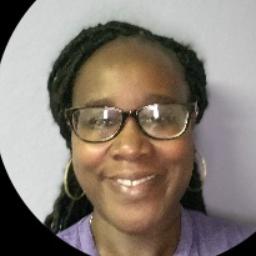
About Shanda
Shanda Hope is a licensed clinical social worker in Florida who helps people dealing with stress, anxiety, trauma and abuse, depression, anger, low self-esteem, relationship and family concerns, grief, parenting challenges, bipolar disorder, and ADHD. She brings 26 years of experience to conversations and works alongside clients to make steady progress.
Shanda treats each person as the expert on their life and focuses on strengths to guide change. Her sessions are practical and down-to-earth.
Background and approach
She listens first, then helps people notice patterns that keep them stuck. Together they try small, testable changes that fit daily life. The goal is clearer choices and more control over reactions.
Shanda draws on several approaches to match the person and the problem. She uses Acceptance and Commitment Therapy to help people clarify values and tolerate difficult feelings. Cognitive Behavioral Therapy is used to identify unhelpful thoughts and change behaviors.
Client-Centered Therapy keeps the client's perspective central during planning and work. Her style is collaborative and respectful. She teaches simple skills from Dialectical Behavior Therapy when emotional regulation is needed.
For partners, she can bring principles from the Gottman Method to improve communication and reduce conflict. Sessions are offered in English and are available by video, phone, live chat, or text-based messaging. Shanda works with people across adult age ranges and adapts methods to each person’s pace and goals.
Therapeutic approaches adapted for online work
Shanda commonly uses Acceptance and Commitment Therapy to help people identify what matters to them and take steps toward those values even when feelings are hard. This approach helps with anxiety, depression, and motivation by focusing on actions that match personal goals.Cognitive Behavioral Therapy is also part of her practice and is used to spot and change thoughts and behaviors that feed distress. CBT is practical and often helps with worry, mood shifts, and building effective routines.
She keeps therapy client-centered, which means sessions focus on the person’s experience and goals rather than a fixed agenda. Finding the right mix of methods is a collaborative process; the therapist will help assess needs and try approaches that fit the client’s preferences and goals.
Online formats include video calls, phone sessions, live chat, and text-based messaging. Video lets people work face-to-face from wherever is convenient. Phone sessions are useful when bandwidth is limited or a shorter check-in is needed. Live chat and text messaging offer a flexible way to maintain contact, practice skills between appointments, and get brief support when schedules are tight.
Frequently asked questions
What concerns does Shanda commonly address?
What is her therapeutic style like?
How much experience does she have?
Where is she licensed and based?
Which languages are supported?
What session formats are available?
How does billing and cost work?
How do I begin therapy with her?
Specialties and expertise
Top specialties
- Stress, Anxiety
- Trauma and abuse
- Anger management
Also works with
- ADHD
- Aging and geriatric issues
- Antisocial personality
- Autism and Asperger Syndrome
- Bipolar disorder
- Body image
- Communication problems
- Control issues
- Depression
- Disruptive Mood Dysregulation Disorder (DMDD)
- Dissociation
- Family conflicts
- Family problems
- Forgiveness
- Grief
- Intellectual disability
- Jealousy
- Mood disorders
- Narcissism
- Parenting issues
- Personality disorders
- Post-traumatic stress
- Relationship issues
- Self esteem
- Self-harm
- Self-love
- Social anxiety and phobia
- Young adult issues
Therapeutic approaches
- Experience
- 26 years
- Licensed
- Florida
- Languages
- English