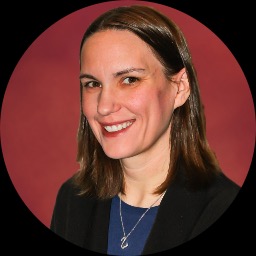
About Sarah
Sarah Wroblewski is a licensed clinical social worker in Illinois with 18 years of experience. She focuses on practical support for people dealing with stress, anxiety, trauma and abuse, parenting concerns, and anger. She meets people where they are and helps them take the next step toward a calmer life.
Sarah believes clients know their stories best. She helps people notice strengths they already have and build on them. Sessions are a chance to talk through immediate problems and make clear, doable plans for change.
Background and approach
Her approach is straightforward and collaborative. She listens carefully and asks questions that help clarify what matters most. From there she and the client set goals and try small experiments to see what makes life easier.
Sarah also offers coaching-style support when clients want focused guidance on specific challenges. This can include strategies for managing anger, reducing daily stress, or handling difficult conversations around parenting and family roles. Across topics she draws on methods shown to help people in real life.
She pays attention to emotional safety and practical steps, not jargon. People who prefer plain talk and concrete next steps tend to find her style a good fit.
Evidence-based approaches and online care
Sarah uses evidence-based therapeutic techniques that focus on practical change. One common approach helps people process and reduce the impact of trauma by teaching skills to manage strong emotions and build safety in daily life. Another approach emphasizes stress and anxiety management through short-term tools like breathing, grounding, and activity changes to reduce overwhelm and improve routine functioning.Finding the best approach is part of the work together. The therapist will discuss goals, try methods that fit those goals, and adjust based on what helps. This is a collaborative process where client preferences and life circumstances guide choices about techniques and pace.
Online therapy options include video calls, phone sessions, live chat, and text-based messaging. Video is useful for face-to-face conversations and deeper work. Phone calls can be easier when bandwidth is limited or for a focused check-in. Live chat and text let people send quick updates, try short coaching moments, or fit support around a busy day. These options make it easier to fit therapy into work, caregiving, or health routines while keeping the focus on progress and practical results.
Frequently asked questions
What concerns does she address?
How would you describe her therapeutic style?
What is her professional background?
Where is she licensed and based?
Which languages are supported in sessions?
What session formats are offered?
How is cost handled?
How do I begin working together?
Specialties and expertise
Top specialties
- Stress, Anxiety
- Trauma and abuse
- Parenting issues
Also works with
- Aging and geriatric issues
- Anger management
- Cancer
- Caregiver issues and stress
- Coaching
- Control issues
- Divorce and separation
- Eating and food-related issues
- Family problems
- Fatherhood issues
- First responder issues
- Forgiveness
- Hospice and end-of-life counseling
- Life purpose
- Money and financial issues
- Polyamory / non-monogamous relationships
- Post-traumatic stress
- Social anxiety and phobia
- Veteran and Armed Forces Issues
- Experience
- 18 years
- Licensed
- Illinois
- Languages
- English