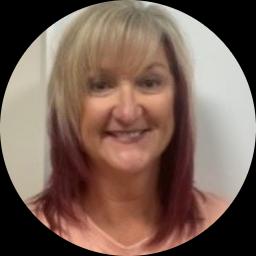
About Sandra
Sandra Call is an Army combat veteran who brings that lived perspective into her work as a licensed clinical social worker. She is a Tennessee LCSW with ten years of professional experience. Sandra focuses on helping people manage stress, anxiety, mood struggles, and trauma in practical ways.
She helps people cope with grief and loss and supports those navigating bipolar disorder and depression. Sandra pays attention to how shame, guilt, and feelings of isolation can affect day-to-day life.
Background and approach
Conversations are respectful and grounded in real needs, not jargon. Sandra adapts sessions to fit each person’s situation and goals. She uses evidence-based therapeutic techniques chosen to match what someone is facing.
Her style is direct but compassionate, focusing on steps people can try between sessions. Her background as a veteran informs how she listens to stories about trauma and stress. That perspective often shapes the pace and focus of work in the room.
Sandra aims to make the process clear and predictable so people feel more in control. She encourages those taking the first step toward help and acknowledges that reaching out can be difficult. The initial conversations center on priorities and immediate coping strategies.
From there, Sandra and the person set a plan that feels achievable and tailored to their life.
How evidence-based techniques translate to online care
Many of Sandra's sessions draw on evidence-based therapeutic techniques that focus on practical skills and symptom relief. One common approach involves structured problem-solving and coping skills to reduce anxiety and manage stress; this teaches concrete steps people can use when feeling overwhelmed. Another approach centers on trauma-focused work that helps people process difficult memories and lower the intensity of post-traumatic stress symptoms by pacing exposure and teaching emotion regulation skills.Finding the right approach is part of the work together. Sandra collaborates with each person to choose methods that match their goals, symptoms, and daily life. She checks in about what is and isn't helping and adapts the plan over time so it fits the person's needs and preferences.
Online therapy offers flexibility that many people find useful. Video calls let the therapist and client work face-to-face when visual cues matter. Phone sessions can be easier when bandwidth is limited or when someone prefers not to be on camera. Live chat and text-based messaging support brief check-ins, skill practice, and ongoing encouragement between longer sessions. These options make it easier to fit therapy into a busy schedule and keep progress moving forward.
Frequently asked questions
What concerns does Sandra commonly address?
How would you describe her therapeutic style?
What is her clinical and professional background?
What credential does she hold and where is she based?
Which languages are supported for sessions?
What session formats does she use?
How does pricing work for sessions?
How do I begin therapy with Sandra?
Specialties and expertise
Top specialties
Also works with
- Abandonment
- Bipolar disorder
- Communication problems
- Control issues
- Depression
- Divorce and separation
- First responder issues
- Forgiveness
- Guilt and shame
- Impulsivity
- Isolation / loneliness
- Life purpose
- Mood disorders
- Panic disorder and panic attacks
- Post-traumatic stress
- Self-love
- Social anxiety and phobia
- Veteran and Armed Forces Issues
- Women's issues
- Experience
- 10 years
- Licensed
- Tennessee
- Languages
- English