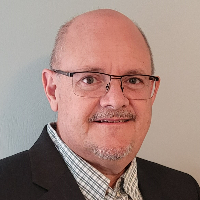
About Rick
Rick Clements is a Licensed Clinical Social Worker who aims to help people build healthier connections and live more honestly with themselves. He says life gets complicated and that asking for help is a practical step when problems feel out of control. Rick emphasizes small, steady progress and practical tools people can use day to day.
He focuses first on learning about each person’s priorities and biggest concerns. Conversations identify what feels most urgent, then Rick and the person decide on steps to try.
Background and approach
He offers support while people try new strategies and checks in often to see how things are going. Rick draws on 25 years of experience working with many different concerns. He helps with stress and anxiety, grief and depression, addiction and compassion fatigue, and work-related issues like career and life purpose.
He also addresses relationship and intimacy-related issues, parenting and fatherhood concerns, and challenges linked to adoption, attachment, or family of origin. He supports people facing bipolar disorder, ADHD, anger, sleeping problems, and feelings of guilt or shame. Rick also works with men navigating midlife or life transitions and with young adults finding direction.
Sessions are offered in English and Rick practices from Utah as a LCSW. He sees international clients and uses approaches that emphasize practical techniques and steady progress. The focus is on simple steps that fit into everyday life, not on jargon or complicated procedures.
Evidence-based approaches and flexible online care
Rick uses straightforward, evidence-based techniques that focus on practical change and clearer relationships. One common approach helps people learn new skills for managing stress and anxiety through short exercises and behavior changes that can be practiced between sessions. Another approach focuses on understanding how past attachment and family of origin patterns influence current relationships and then trying different ways of connecting that feel safer and more effective.Choosing the right approach is a collaborative process. The therapist will talk through your goals and preferences and suggest options to try. Together you’ll track what helps and shift direction if needed so the work stays useful and relevant.
Online therapy offers several convenient ways to meet. Video calls let you work face to face when seeing facial cues matters. Phone sessions are a good option when bandwidth is limited or you prefer not to be on camera. Live chat and text-based messaging make brief check-ins and ongoing coaching easier between longer sessions. These formats make it simpler to fit therapy around work, parenting, or travel while keeping the focus on practical progress.
Frequently asked questions
What kinds of problems does Rick help with?
How would you describe his therapeutic style?
What is his clinical background?
Where is he based and what are his credentials?
Can sessions be conducted in other languages or from other countries?
What session formats are available?
How much do sessions cost?
How do I begin working with him?
Specialties and expertise
Top specialties
- Stress, Anxiety
- Relationship issues
- Trauma and abuse
Also works with
- Addictions
- ADHD
- Adoption and foster care
- Anger management
- Attachment issues
- Bipolar disorder
- Career difficulties
- Coaching
- Compassion fatigue
- Coping with life changes
- Depression
- Family conflicts
- Family of origin issues
- Family problems
- Fatherhood issues
- Forgiveness
- Grief
- Guilt and shame
- Hospice and end-of-life counseling
- Intellectual disability
- Intimacy-related issues
- Life purpose
- Men's issues
- Midlife crisis
- Parenting issues
- Self esteem
- Sleeping disorders
- Young adult issues
- Experience
- 25 years
- Licensed
- Utah
- Languages
- English