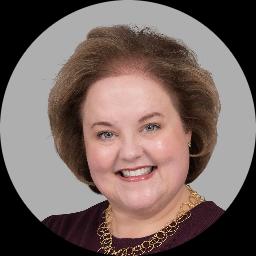
About Rebecca
Rebecca Chester is a licensed clinical social worker in Georgia. She helps people facing relationship strain, family problems, grief, depression, anxiety, and stress. She also supports those dealing with trauma and abuse, low self-esteem, career concerns, and the burnout that comes with compassion fatigue.
Her style is straightforward and respectful. She listens first and helps clients name problems clearly. Sessions focus on practical steps people can try between meetings.
Rebecca aims to make conversations feel simple and useful rather than overwhelming.
Background and approach
Rebecca uses a mix of approaches to match each person's needs. She draws on client-centered work to follow what matters most to the person. She also uses cognitive behavioral techniques to spot unhelpful thinking and try small experiments that can change mood and behavior.
She has eight years of professional experience and holds the LCSW credential, which stands for Licensed Clinical Social Worker. Rebecca began her practice working with serious life changes and end-of-life concerns, and she continues to support clients through grief and caregiving stress. Sessions are offered in English and are available through video calls, phone sessions, live chat, or text-based messaging.
Rebecca describes therapy as a partnership where the client’s goals guide the process. She helps people find clearer priorities and small steps that lead to more manageable days.
How Rebecca’s approaches translate to online sessions
Client-Centered Therapy focuses on the person’s priorities and builds sessions around what feels most important. It helps when someone needs a space to be heard and to sort out values and decisions. Cognitive Behavioral Therapy, or CBT, looks at thoughts and behaviors that keep problems stuck and uses simple, concrete exercises to test new ways of thinking and acting. This approach is useful for anxiety, depression, and coping with life changes.Choosing the right approach is part of the work. Rebecca will talk with each person about goals and try methods that match those goals. She treats the process as a collaboration and adjusts the plan as needed based on what proves helpful.
Online sessions can fit different rhythms of life. Video calls let people have face-to-face conversation when visual connection matters. Phone sessions work well when bandwidth is limited or when being off camera feels easier. Live chat and text-based messaging offer short check-ins, quick problem-solving, or ongoing support between longer meetings. These options make it easier to keep therapy consistent while balancing work, caregiving, and daily responsibilities.
Frequently asked questions
What kinds of problems does Rebecca focus on?
How would you describe her therapeutic style?
What is her background and experience?
What credentials and location are listed?
Which languages are supported and can international clients join?
What session formats are available?
How is cost handled for sessions?
How do I begin working with her?
Specialties and expertise
Top specialties
- Relationship issues
- Family conflicts
- Grief
Also works with
- Aging and geriatric issues
- Cancer
- Career difficulties
- Caregiver issues and stress
- Co-morbidity
- Communication problems
- Compassion fatigue
- Coping with life changes
- Coping with natural or human-caused disaster
- Depression
- Emptiness
- Family of origin issues
- Family problems
- Fatherhood issues
- Forgiveness
- Guilt and shame
- Hospice and end-of-life counseling
- Isolation / loneliness
- Life purpose
- Mood disorders
- Postpartum depression
- Seasonal Affective Disorder (SAD)
- Self esteem
- Stress, Anxiety
- Trauma and abuse
- Women's issues
- Workplace issues
Therapeutic approaches
- Experience
- 8 years
- Licensed
- Georgia
- Languages
- English